

Naag Panchami (नाग पञ्चमी) is a sacred Hindu festival that people in India and Nepal celebrate with deep devotion. It honours the serpent deities (Naga Devtas) and carries strong cultural and spiritual meaning. The festival takes place on the fifth day (Panchami Tithi) of the waxing moon in the month of Shravana, usually falling in July or August.
Many families create snake figures using cow dung, believing it brings protection and good fortune. In places like Nagpur, Maharashtra, devotees gather at the Nagoba Temple to offer prayers and perform rituals. Women especially take part, asking Lord Naga to bless their families with happiness and well-being. In different regions, the festival goes by other names, such as Nag Chaturthi and Nagil Charithi.
In this guide, you’ll discover the origins, rituals, and spiritual importance of Naag Panchami 2025, along with how people celebrate it across different cultures.
Historical Origins of Naag Panchami
The roots of Naag Panchami go back thousands of years, deep into ancient Hindu mythology. According to scriptures, snakes or Nagas hold a sacred place as protectors of water sources, fertility, and life. Stories from the Mahabharata mention how people began worshipping Nagas to seek protection from snakebites and natural disasters.
In particular, the story of King Janamejaya stands out. He organized a massive snake sacrifice (Sarpa Satra) to avenge his father’s death. As people witnessed the destruction caused by his revenge, they realized the importance of living in harmony with nature. Over time, snake worship shifted from fear and retaliation to a ritual of respect and devotion. Eventually, this practice evolved into Naag Panchami, a festival that honors serpents as sacred beings in Hindu tradition. These rituals continue to reflect the ancient belief that all life, even snakes, deserves reverence and protection.
Today, Naag Panchami blends these ancient legends with devotional practices, showing how mythology and tradition continue to shape daily life.
What is Naag Panchami?
Naag Panchami is one of the most auspicious Hindu festivals, deeply rooted in Hindu mythology. People honor the Snake God, Shesha Nag, by celebrating this festival on the fifth day (Panchami) of the bright half (Shukla Paksha) of the sacred month of Shravan (Sawan Mahina). For example, last year, people celebrated Naag Panchami on August 9, 2024, and this year, they will observe it on July 29, 2025.
Hindus worship the Naags, who are serpent deities. Devotees perform prayers and rituals on this day to overcome the fear of snakes and seek protection from snake bites. Throughout India and Nepal, temples hold special ceremonies where people offer reverence to snakes.
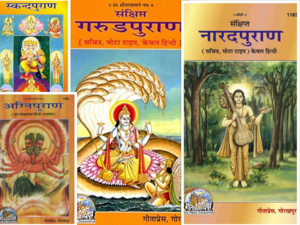
Moreover, several ancient Hindu scriptures mention the importance of Naag Panchami. Texts such as the Agni Purana, Skanda Purana, Narada Purana, and Garuda Purana describe the festival’s significance. By observing Naag Panchami, people believe they invite blessings, protect themselves from dangers related to serpents, and ensure prosperity.
The Puranas mention prominent cobra snakes, including Anant, Vasuki, Shesh, Padma, Kanwal, Karkotak, Kalia, Aswatar, Takshak, Sankhpal, Dhritarashtra, and Pingal, as deities deserving veneration.

Naag Panchami is a festival that honors the Nagas, or snakes, which are sacred in Hindu stories. Every year, people celebrate it on the fifth day (Panchami) of the bright half of the Shravan month. During this time, they pray and perform rituals to please the snake gods. In doing so, they ask for protection and good luck.
Naag Panchami 2024: Date and Sahit/Muhurat
The Shubh Muhurta of Naag Panchami 2025 in Nepal will begin on Tuesday, July 29, 2025, with the puja muhurat running from approximately 5:47 AM to 8:27 AM (local time). The Panchami Tithi starts on July 29, 2025, at 12:36 AM and ends on July 30, 2025, at 3:14 AM.
Nepal will observe Naag Panchami on Tuesday, July 29, 2025.
Historical and Mythological Significance Origins of Naga Panchami
Many Hindu legends emphasize the worship of snakes. According to Hindu Puranas and the Mahabharata, Kashyapa, the grandson of Lord Brahma, married Kadru and Vinata, daughters of Prajapati Daksha. Kadru gave birth to the Naga race. Historical records suggest that the Nagas, an advanced clan, lived in India before the arrival of the Aryans. Snake worship was prevalent among the Nagas, as seen in the Indus Valley civilization around 3000 B.C.
fter the Naga culture merged with Hinduism, the Indo-Aryans also adopted many snake deities as their own gods. For example, the Puranas mention several prominent cobra snakes such as Anant, Vasuki, Shesh, Padma, Kanwal, Karkotak, Kalia, Aswatar, Takshak, Sankhpal, Dhritarashtra, and Pingal who are worshipped widely. Moreover, some historians believe that these figures were not just ordinary snakes but Naaga kings from different kingdoms who were revered as powerful deities.
Naga Panchami, celebrated in the sacred month of Sawan dedicated to Lord Shiva, honors Nagas as divine beings. Devotees offer prayers to snakes on this auspicious day.

The origins of Naga Panchami are deeply rooted in Hindu mythology and Puranic texts:

Legend of Krishna and Kaliya Nag: Another legend tells of Lord Krishna defeating the serpent Kaliya to protect the people of Gokul, a story celebrated on Naga Panchami.
Puranic References: Naga Panchami is mentioned in several Hindu Puranas, such as the Agni Purana, Skanda Purana, Narada Purana, and Garuda Purana, which describe the origins of the Naga clan and the festival’s significance.
Legend of Takshak: According to the Mahabharata, King Takshak, the king of snakes, killed Parikshit, the father of King Janamya. In retaliation, King Janamya organized a Yagna to eradicate the Naga clan, but it was interrupted by Astika Rishi, preventing its completion. Naga Panchami commemorates the day Astika Rishi intervened.
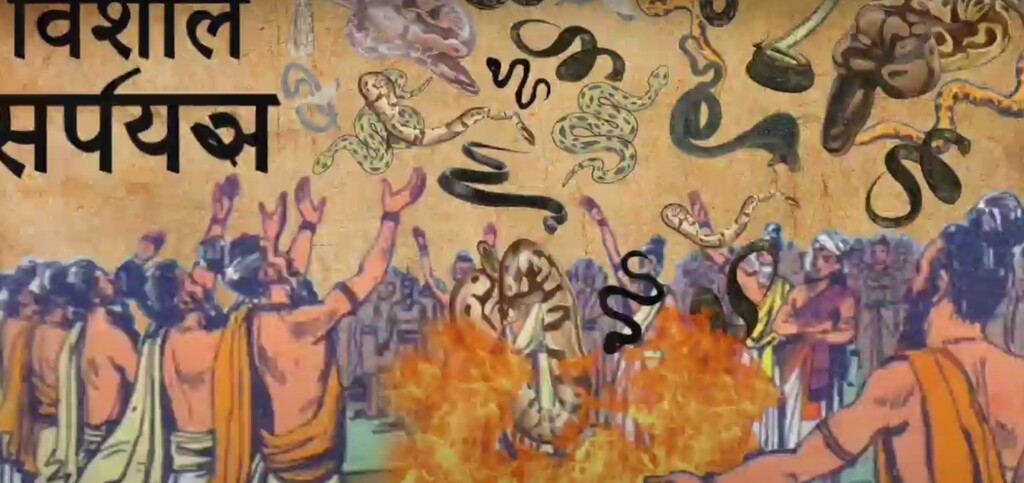
The Story Behind the Nag Panchami Festival
There are various stories related to the observance of Nag Panchami. One such story is shared below.
Once upon a time, a peasant had two sons and a daughter. While ploughing the field, the peasant accidentally killed three baby snakes.
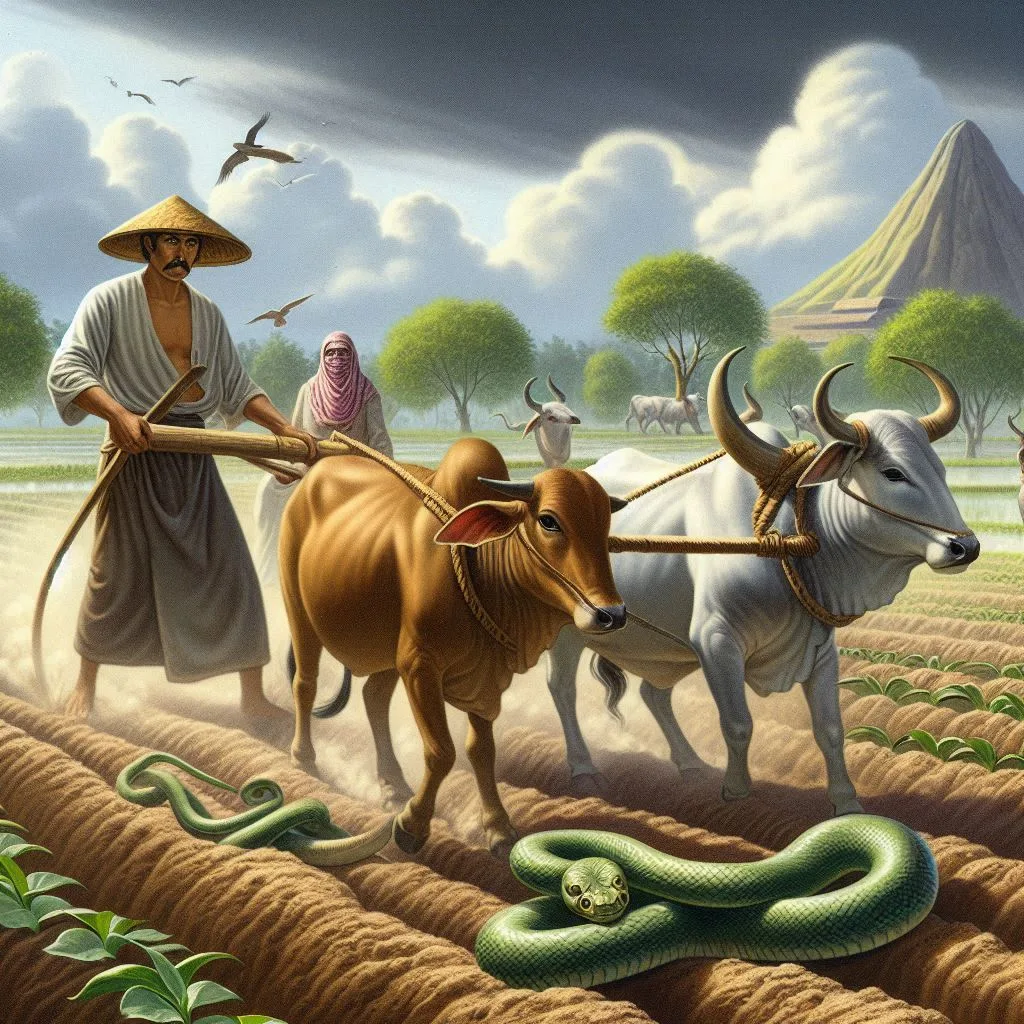

In retaliation, the mother serpent entered their house at night and bit the peasant, his wife, and two sons, causing their deaths, leaving only the daughter alive.
The next morning, the mother serpent returned to the house to kill the peasant’s daughter. The daughter, intelligent, offered the serpent a bowl of milk as a gesture of forgiveness for her parents’ actions. The serpent was pleased, revived the wife and sons who were bitten, and blessed them. The serpent promised protection for women who worship it on Shukla Panchami.
On Nag Panchami, snakes are worshipped to prevent snake bites. This day is also known as ‘Kalki Jayanti’. Those affected by Kaal Sarpa Dosha of Rahu and Ketu should worship ‘Ashta Nag’ with ‘Sarpa Sutra’ and ‘Nag Gayatri’ to counter the negative effects of this Dosha.
Traditional Practice and Rituals and Offering
Naag Panchami is a festival celebrated by worshipping snakes on the fifth day of the bright fortnight of the Shravan month. Naags are revered in every household on this day by offering milk, curd, rice, flowers, couch-grass (bermudagrass/ Dubo in Nepali), and a coin on a picture of a Naags placed on the door, usually entrance of house, with help of cow dung (gobar).
It is believed that worshipping the eight Naags families including Ananta, Vasuki, Padma, Mahapadma, Takshak, Kulir, Karkat, and Sankha. and placing their images on the main door can protect the house from lightning, fire, and Naags-related fears. According to astrology, the lord of Panchami Tithi is the Naags god and they rule over this day. This signifies the conclusion of the monsoon season. It is advised not to plow or dig foundations on Naag Panchami to avoid harming snakes.
Preparation and Practices
- Preparation and Offerings:
On Naag Panchami, devotees clean their homes and set up altars dedicated to the Nagas. Offerings usually consist of milk, flowers, and incense. Offering milk to snake idols is believed to bring blessings and remove obstacles from one’s life. Devotees make serpents from wood, silver, or stones and offer milk, sweets, and fruits to these figures. In some regions, live snakes are also offered milk, with the help of snake charmers. - Puja and Worship:
Devotees perform puja (worship) with great reverence, either at temples or at home altars. The ritual includes chanting mantras, performing aarti, and making offerings to snake idols. Special worship is conducted, fasting is customary, and kheer (rice pudding) is offered to the snake deity after sunset, with devotees receiving prasad (offering). On Naga Panchami, houses are cleaned, and Naga pujas are performed. Devotees place images or idols of Naga Deva and conduct prayers. Lighting lamps and performing Sankalpa during the pujas are considered beneficial. - Fasting and Abstinence:
On Naag Panchami, many devotees observe a partial fast, abstaining from foods like grains and meat. They spend the day in prayer and meditation, believing it purifies the soul and brings good fortune. - Cultural Practices:
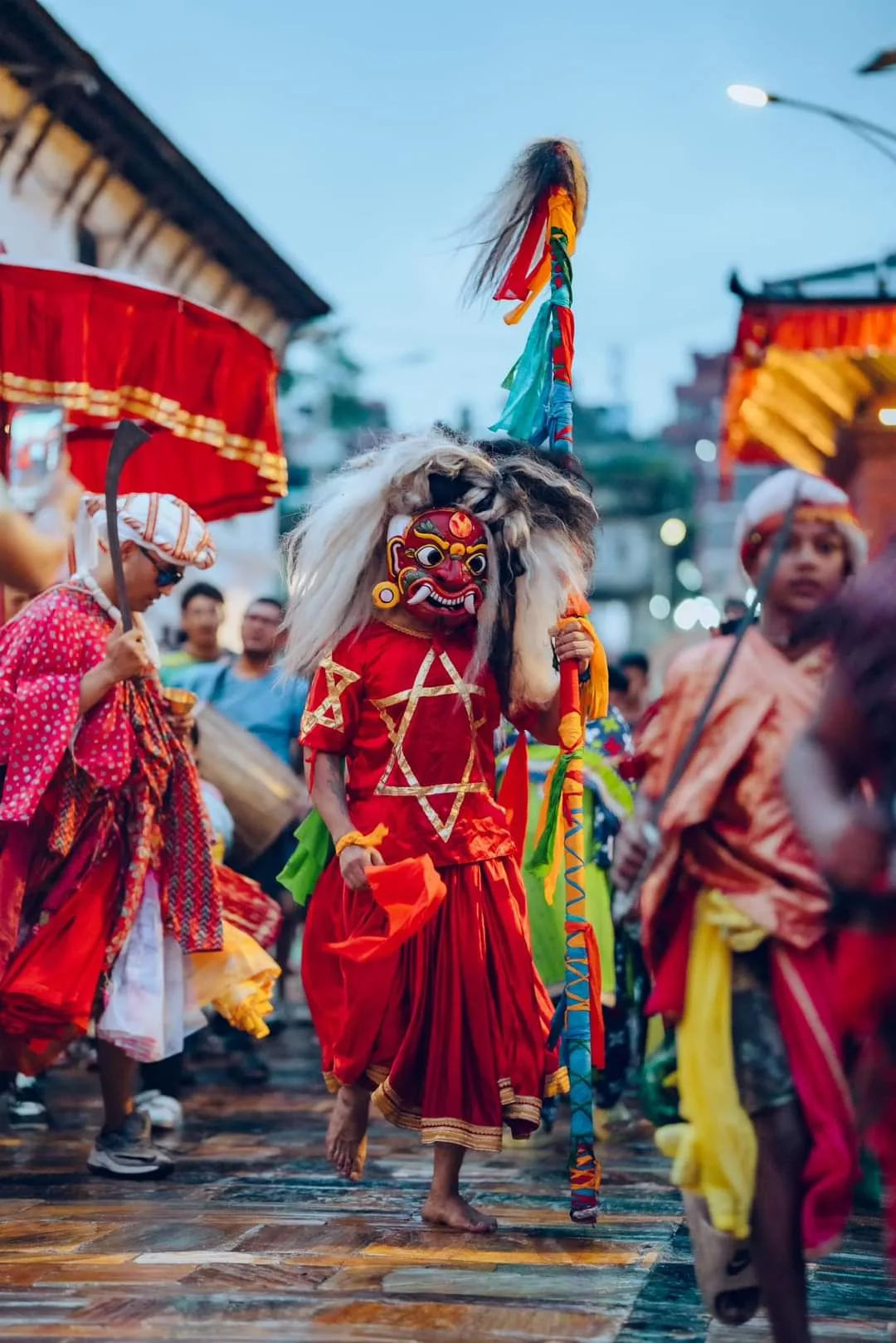
In some regions, like parts of Nepal and North India, Naag Panchami is marked by unique cultural practices such as processions, fairs, traditional performances, folk songs, and dances dedicated to the Nagas. In some regions, people create Rangolis of serpents using natural colors. Images of snakes are drawn in front of homes or on doors. In villages, people offer incenses and milk at anthills as a mark of reverence.
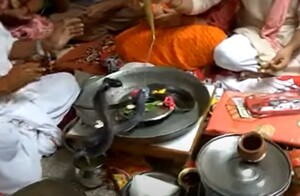
Naag worshiping during Naag Panchami
Naga Worship Practices in Nepal:
In Western Nepal, Brahmins distribute paper images of various Nagas, such as Vasuki, Takshak, Karkat, Padma, Kaliya, and Shesh Nag. These images also include depictions of the moon, sun, conch, discus, mace, lotus, fish, and scorpion, along with mantras for Naga worship. If Brahmins are unavailable, people make their own images or seek help from others. On Naga Panchami, these images are placed on doorways, and specific prayers are recited.
- Eight Nagas are made by combining cow dung, mud, pitho, and cotton.
- White mud (Chimtiya Mato) is collected from water sources like ponds, lakes, or rivers and shaped into nagas.
- Grass (dubo) is added on top.
- Pure local Dhan is used for worship, avoiding hybrids or other types.
- Fruits and flowers are also offered.
- Sindhur (red and orange color) is used.
- Milk is poured over the offerings.
- Dhunge dhara (a traditional water-purification ritual) is performed near water sources.
- Cow dung is mixed and used to clean the floor.
- Pandits and Kumari girls perform the worship and rituals and puting nag photos in doors.
- This is done near water sources as Dhunge dhara.
Naga Panchami holds immense significance, both spiritually and culturally:
- Overcoming Kaal Sarp Dosh: Celebrating Naga Panchami and offering milk to the Naga Devas is believed to help overcome “Kaal Sarp Dosh” in horoscopes.
- Fear of Snakes: Fasting and offerings are believed to help overcome the fear of snakes and prevent snakebites.
- Seasonal Relevance: During the festival, which coincides with the rainy season, snakes leave their burrows due to flooding. Offering milk or sweets is believed to prevent snake attacks.
- Respect for All Life: The festival highlights the significance of respecting all life forms and treating other beings equally.
- Taboo on Digging: The act of digging the ground on Naga Panchami is considered taboo in order to prevent harm to snakes.
- Protection of Brothers: In certain areas, Naga Panchami is referred to as Bhatru Panchami, during which women present milk to snakes as a gesture of protection for their brothers.
Nag Yatra: Power Yantra To Remove Life Blockage

This is the potent Naga yantra. Kindly observe it and refer to the accompanying image for additional details.
Perform the hand gesture depicted in the figure and focus on the central image while clearing your mind of all other thoughts. This technique can be effective, but caution should be exercised in its proper application.

Nag Panchami Mantra:
|| Om Navkullaya Vidmahe Vishdantaaye Dhimahee Tanno Sarpah Prachodayat ||
To conclude the worship, the following Stotram and Mantra are recited:
Shri Naag Stotram
अगस्त्यश्च पुलस्त्यश्च वैशम्पायन एव च ।
सुमन्तुजैमिनिश्चैव पञ्चैते वज्रवारकाः ॥१॥
मुनेः कल्याणमित्रस्य जैमिनेश्चापि कीर्तनात् ।
विद्युदग्निभयं नास्ति लिखितं गृहमण्डले ॥२॥
अनन्तो वासुकिः पद्मो महापद्ममश्च तक्षकः ।
कुलीरः कर्कटः शङ्खश्चाष्टौ नागाः प्रकीर्तिताः ॥३॥
यत्राहिशायी भगवान् यत्रास्ते हरिरीश्वरः ।
भङ्गो भवति वज्रस्य तत्र शूलस्य का कथा ॥४॥
अस्तिकस्य मुनेर्मातर्जगदानन्दकारिणी।
एह्येहि मनसा देवि !नागमातर्नमोSस्तुते ॥५॥
ब्रह्मलोके च ये सर्पाः शेषनागाः पुरोगमाः।
नमोऽस्तु तेभ्यः सुप्रीताः प्रसन्नाः सन्तु मे सदा॥१॥
विष्णु लोके च ये सर्पाः वासुकिप्रमुखाश्च ये।
नमोऽस्तु तेभ्यः सुप्रीताः प्रसन्नाः सन्तु मे सदा॥२॥
रुद्रलोके च ये सर्पाः तक्षकः प्रमुखास्तथा।
नमोऽस्तु तेभ्यः सुप्रीताः प्रसन्नाः सन्तु मे सदा॥३॥
खाण्डवस्य तथा दाहे स्वर्गञ्च ये च समाश्रिताः।
नमोऽस्तु तेभ्यः सुप्रीताः प्रसन्नाः सन्तु मे सदा॥४॥
सर्पसत्रे च ये सर्पाः आस्तिकेनाभिरक्षिताः।
नमोऽस्तु तेभ्यः सुप्रीताः प्रसन्नाः सन्तु मे सदा॥५॥
प्रलये चैव ये सर्पाः कर्कोटप्रमुखाश्चये।
नमोऽस्तु तेभ्यः सुप्रीताः प्रसन्नाः सन्तु मे सदा॥६॥
धर्मलोके च ये सर्पाः वैतरण्यां समाश्रिताः।
नमोऽस्तु तेभ्यः सुप्रीताः प्रसन्नाः सन्तु मे सदा॥७॥
इन्द्रलोकेषु ये सर्पाः तक्षकप्रमुखादयः।
नमोऽस्तु तेभ्यः सुप्रीताः प्रसन्नाः सन्तु मे सदा॥८॥
ग्रामे वा यदि वारण्ये ये सर्पाः प्रचरन्ति च।
नमोऽस्तु तेभ्यः सुप्रीताः प्रसन्नाः सन्तु मे सदा॥९॥
पृथिव्यां चैव ये सर्पाः ये सर्पाः बिलसंस्थिताः।
नमोऽस्तु तेभ्यः सुप्रीताः प्रसन्नाः सन्तु मे सदा॥१०॥
रसातले च ये सर्पाः अनन्तादि महाबलाः।
नमोऽस्तु तेभ्यः सुप्रीताः प्रसन्नाः सन्तु मे सदा॥११॥
Significant of Naag Puja
- Kaal Sarp Yoga: Causes and Remedies:
- Kaal Sarp Yoga is a significant astrological concept believed to bring challenges despite favorable conditions. Remedies include Tripindi Shraddh, chanting Mahamrityunjaya Mantra, and conducting Naga Puja to mitigate its adverse effects. Offering milk to Naga Devas is believed to mitigate “Kaal Sarp Dosh” in horoscopes.
- Significance of the House Foundation Ritual:
- During the construction of a new house, it is believed that the foundation should be dug while considering the head of the snake to prevent harm, as different parts of the body are associated with various issues.
- Seasonal Relevance:
- During the festival, which coincides with the rainy season, snakes leave their burrows due to flooding. Offering milk or sweets is believed to prevent snake attacks.
- Respect for All Life:
- Naga Panchami emphasizes respecting all forms of life and treating them equally.
- Observance of Fasting on Naga Panchami:
- On Naga Panchami, devotees fast all day, preparing rice pudding (kheer) after sunset to offer to the Naga deity at a Shiva temple or at home. The pudding is then distributed as prasada. Fasting rules prohibit consumption of food, salt, oily, and fatty foods.
- Home Decorations and Rituals:
- On Naga Panchami, images of snakes are drawn or placed on the main door of homes to ward off the fear of snakes. In Western Nepal, districts like Dailekh, Achham, and Kalikot link the festival with the onset of winter. In the far and mid-western regions of Nepal, images of poisonous creatures like snakes, scorpions, and centipedes are drawn on paper and placed on doorways. In places like Badimalika, Devotees follow traditions of fasting, sleeping on the ground, and observing celibacy during Naga Panchami. Temples dedicated to Naga deities hold fairs where devotees create images of snakes and place them on doorways with cow dung. Offerings like milk, grasses, sandalwood, flowers, and sweets are made, and prayers are recited.
- Protection from Snake Fear:
- Some believe that worshiping snakes on Naga Panchami helps overcome the fear of snakes. The festival’s rituals aim to ensure safety and dispel fear, but practices like offering milk to live snakes are now seen as outdated. In certain regions, women offer milk to snakes on Bhatru Panchami for their brothers’ safety.
Significance Of Milk on Nag Panchami Festival
One significant tale related to feeding milk to snakes dates back to the samudra manthan. During the search for amrit by devas and asuras, a deadly poison called Alakatoom emerged from the ocean, capable of destroying the universe. To save the universe, Lord Shiva consumed the poison. Some droplets fell on earth while he drank it, which his snakes ingested. The Devtas performed the Ganga Abhishek on Neelkantha and the snakes to neutralize the poison’s effects. Therefore, Nag panchami symbolizes this entire mythological event.
Why Should You Not Make Roti on Naag Panchami?
On Naag Panchami, people refrain from making roti at home because it is considered unlucky. This belief stems from the idea that the pan used for cooking roti symbolizes the snake, which is worshipped on this day. Hence, there is a religious custom of not using the pan for cooking on Naag Panchami.
Traditional dishes prepared on Naag Panchami
Here are traditional dishes you can make to celebrate Nag Panchami.
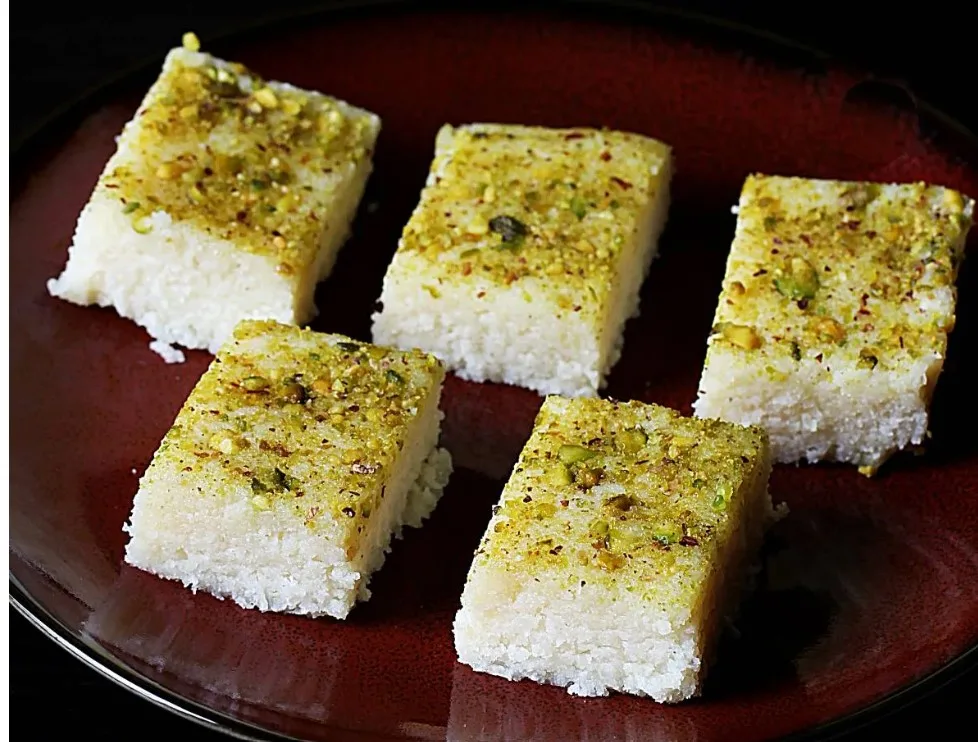
Nariyal Mithai: Coconut Burfi Recipe
Symbolizing purity and devotion, Nariyal Mithai or coconut sweets hold a special place on the Nag Panchami menu. These treats are made with grated coconut, condensed milk, and flavored with cardamom.
Puranache Dind: Puran poli
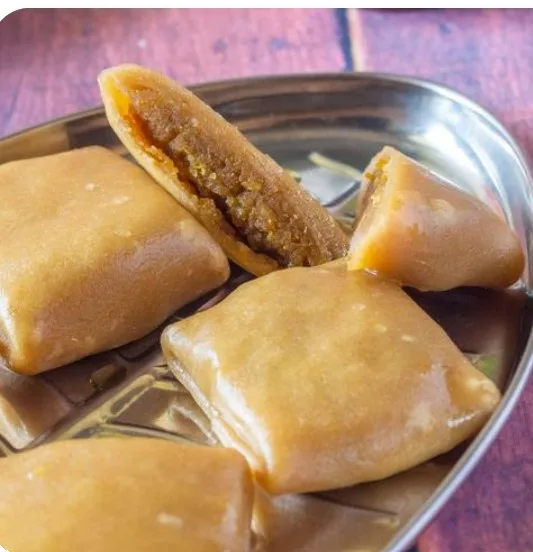
A festive delight, Puranache Dind is a dish made from ground chana dal and grated jaggery wrapped in a rice flour dough, then steamed to offer a blend of sweetness and earthy flavors.
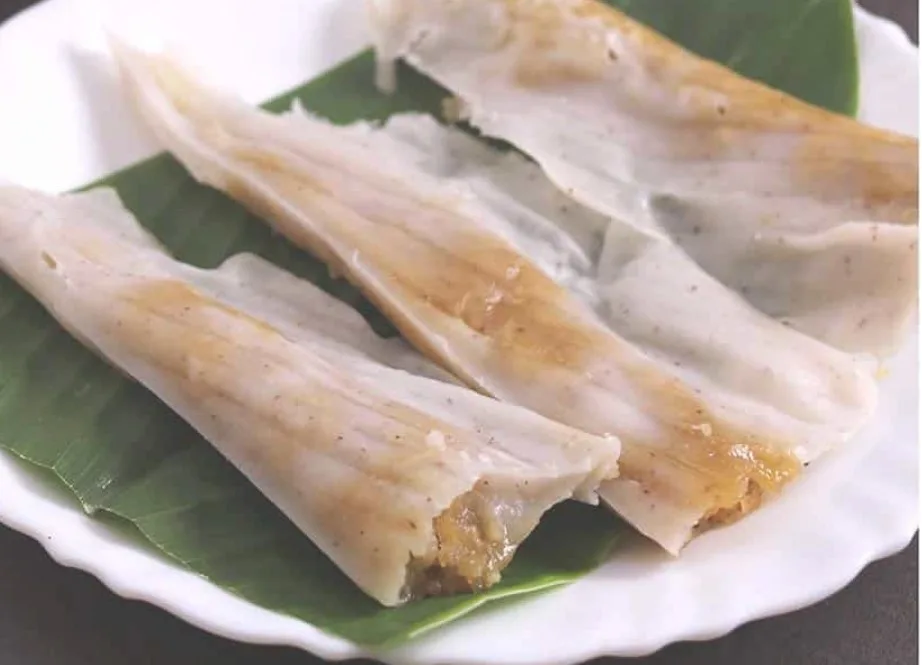
Patholi: Across the western parts of India, Patholi is a unique delicacy made from sweet rice flour and jaggery, wrapped in turmeric leaves and steamed. This aromatic dish not only delights the taste buds but also honors nature, as the turmeric leaves infuse a distinctive aroma and flavor.
Khara Kadubu: For a savory treat, try Khara Kadubu: rice flour dumplings filled with spiced lentils, chilies, grated coconut, and seasonings. They represent the diverse tastes and textures of the festival.

Dhapate: From Maharashtra comes Dhapate, a savory multigrain pancake made with a blend of flours like jowar, bajra, wheat, and rice, enriched with spices, herbs, and vegetables. Dhapate embodies a balanced and nutritious meal traditionally enjoyed during Nag Panchami.
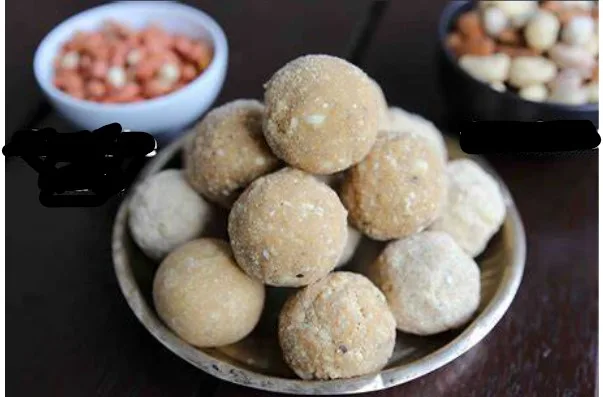
Tambittu: A traditional Karnataka sweet, Puthani Tambittu is a delicious treat made from roasted gram flour, jaggery, and ghee. It is a tribute to the culinary heritage of Nag Panchami celebrations.
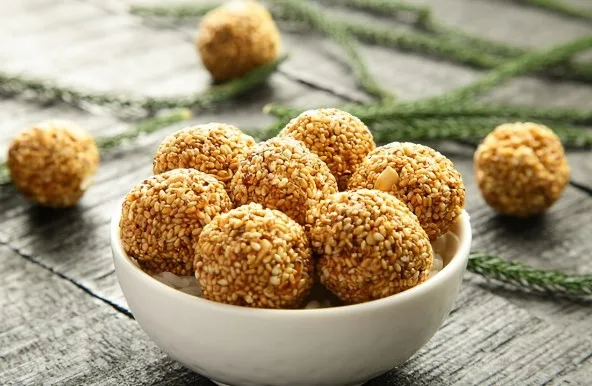
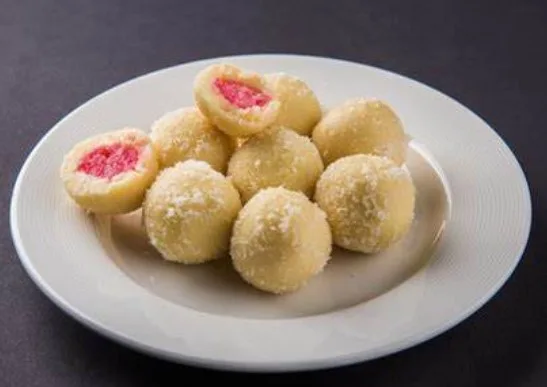
Tilkut, made with sesame seeds and jaggery, is a traditional dish enjoyed during Naag Panchami for its delicious and nutritious qualities.
West Bengal, Raskadam is a popular Bengali dessert made with cheena and khoya, traditionally prepared during the festival of Naag Panchami.
Conclusion
Naag Panchami is more than just a festival; it’s a reminder of the deep connection between humanity and nature. By paying homage to the Nagas, devotees acknowledge the importance of preserving and respecting the natural world. As you celebrate Naag Panchami, may you find prosperity, peace, and protection, and may the divine serpents bless you with their eternal grace.
Happy Naag Panchami!