


Did you know a single commercial airplane gets over 3,000 checks and inspections every year? The complex system of engineering, safety, and detailed maintenance keeps our skies safe. Despite the industry’s strong focus on quality, many myths still surround how airlines work.
In this detailed article, we’ll explore the exciting world of aviation with airlines facts and myths. We’ll separate truth from myth in engineering, safety, and maintenance of airlines. Get ready to learn the real truth behind common myths and see the amazing facts that make flying possible.
Key Takeaways
- The aviation industry has strict engineering, safety, and maintenance rules to ensure safety and reliability.
- Many beliefs about airlines are not true, and this article will show the real facts.
- This article will clear up myths about things like turbulence and in-flight meals.
- Readers will learn more about the engineering and safety that make flying safe.
- By the end, you’ll know more about the aviation industry and its true facts, not just myths.
The aviation sector is an impressive feat of contemporary engineering. It captures the interest of both seasoned flyers and enthusiasts. The design of aircraft and the technologies behind air travel are truly awe-inspiring.
How do Plane Fly?
Aerodynamics is key in the aviation industry. It lets aircraft fly and carry millions of passengers safely worldwide. Thanks to aircraft engineering, engineers have made planes sleek and efficient. These planes move through the air with grace and precision.
The aviation industry is complex. It has many systems that work together to keep planes flying. Lift and thrust balance, along with sophisticated flight control systems, ensure a smooth and safe trip.
“The airplane stays up because it doesn’t have the time to fall.” – Orville Wright
Looking deeper into aviation reveals many fascinating facts. We learn about the aerodynamics of flight and the new technologies for air travel. These mysteries are truly awe-inspiring.
Whether you fly often or just love flight, exploring the aviation industry is exciting. It’s a journey of discovery that always inspires. Let’s uncover the secrets of air travel and appreciate the amazing engineering that keeps us flying.
Separating Fact from Fiction
Exploring aviation, it’s key to know what’s real and what’s not about airline myths and misconceptions. In this article, I’ll truth-check these beliefs and reveal the truth often hidden by assumptions.
Many thinks air travel is dangerous. But it’s actually very safe thanks to strict safety rules and cutting-edge technology. Even though some incidents get a lot of attention, the number of safe flights every day shows how safe it is.
Some also believe airlines don’t take care of their planes. But airlines follow strict maintenance plans. They check and fix every part of their planes regularly. This shows how much they care for their aircraft.
| Myth | Reality |
|---|---|
| Air travel is unsafe | Modern aviation is incredibly safe, with robust safety protocols |
| Airline maintenance is neglected | Airlines invest heavily in meticulous maintenance schedules |
By debunking these misconceptions, I aim to give readers a better view of the airline industry. They’ll see the amazing engineering, safety steps, and how well airlines operate.
Airlines Facts and Myths which misconception with Engineering, Safety and Maintenance
I’ve always been drawn to the world of aviation. It’s full of engineering wonders and strict safety rules that keep us safe. Let’s dive into the truth behind myths about airlines, engineering, and maintenance.
Exploring the Realities Behind the Industry
The airline industry is complex, full of both truth and myth. Many think maintenance is random, but it’s actually very careful. Engineers and technicians work hard to make sure planes are safe before flying.
Also, the engineering in making planes is amazing. They use advanced tech to make flying efficient and safe. The tech in modern planes is incredible.
| Airline Operations | Engineering Facts | Safety Protocols |
|---|---|---|
| Precise scheduling and coordination | Advanced aerodynamics and materials | Comprehensive maintenance and inspections |
| Stringent safety regulations | Sophisticated avionics and systems | Rigorous pilot training and certification |
| Continuous monitoring and optimization | Innovative design and manufacturing | Redundant safety features and backup systems |
Looking into the airline industry shows us the hard work of those who keep us safe. Engineers and maintenance teams are key to safety and innovation. Their work is vital for every flight.
Engineering Marvels: Debunking Misconceptions
The engineering behind modern aircraft is truly awe-inspiring. Aircraft engineering, aerodynamics, and materials science have led to safer and more reliable airframes. Let’s look at some common misconceptions about these engineering feats.
Many think aircraft are heavy and clumsy. But materials like carbon fiber and advanced alloys have changed that. These materials make airframes light, strong, and durable. They also make flying more efficient and improve the aircraft’s performance.
Some believe aircraft design doesn’t change much. But aerodynamic simulations and computer models have changed that. Engineers can now keep improving the airframe’s shape for better lift, less drag, and more efficiency.
| Misconception | Reality |
|---|---|
| Aircraft are heavy and cumbersome | Modern materials like carbon fiber and advanced alloys have made aircraft remarkably lightweight and efficient |
| Aircraft design is a static process | Computational fluid dynamics and aerodynamic simulations allow for continuous optimization and refinement of aircraft design |
| Aircraft engineering is a simple, straightforward task | The design and engineering of aircraft involve complex interdisciplinary collaboration and innovative problem-solving |
Many thinks’ aircraft engineering is easy. But it’s actually very complex. It requires working together across different fields and solving tough problems. Every part of an aircraft’s design must be carefully thought out for safety and efficiency.
Exploring the engineering behind flying machines helps us see the amazing work in aviation. By clearing up these misconceptions, we learn more about the advanced technologies and smart solutions that make flying safe and efficient.
Debunking Common Myths About Airplane Safety
Rigorous Design and Testing:
Engineering Excellence: Aircraft are designed with a significant safety margin, undergoing extensive simulations and physical testing to ensure they can withstand extreme conditions. The Federal Aviation Administration (FAA) and other regulatory bodies mandate comprehensive testing and certification processes to verify the structural integrity and performance of aircraft. This includes subjecting aircraft to various environmental conditions, from extreme temperatures and pressures to high-stress manoeuvres, to validate their safety and resilience.
Fatigue Testing: Airframes undergo testing for metal fatigue by simulating numerous take-off and landing cycles to anticipate and address wear and tear over time. Manufacturers use advanced computer models and physical testing rigs to replicate the stresses and strains experienced by an aircraft during its lifespan, allowing them to identify and address any potential issues before the aircraft enters service.
Safety First: Shattering Myths and Misconceptions
Ensuring safety in aviation is a primary concern for the airline industry. There are many protocols and technologies to keep passengers and crew safe. But myths and misconceptions about airline safety spread, confusing the public about the industry’s safety efforts. We’ll look into the truth behind these myths and show the real state of airline safety.
Unveiling the Truth About Airline Safety Protocols
Some think airline safety hasn’t gotten better over time. But the truth is, the industry has made huge leaps in safety. Thanks to technology, training, and managing risks, modern planes have advanced safety features. Pilots also get a lot of training to be ready for emergencies.
Another myth is that cutting costs means airline safety suffers. But, safety is never cut to save money. Airlines spend a lot on keeping their planes safe, training their teams, and using the latest safety rules to protect everyone on board.
| Myth | Reality |
|---|---|
| Airline safety has not improved over the years. | The aviation industry has made significant advancements in safety through technology, training, and risk management. |
| Airline safety is compromised by budget cuts or cost-saving measures. | Safety is a top priority, and airlines invest heavily in maintaining their fleets, training their crews, and implementing the latest safety protocols. |
Many thinks airline safety is not thorough. But the truth is, safety checks are detailed and cover everything from before the flight to emergency procedures during the flight. Knowing the truth about these myths makes travellers feel more secure when flying.
“Safety is the cornerstone of the airline industry. It is not an optional feature, but a fundamental requirement that guides every decision and action.”
Maintenance Matters: Unveiling the Unseen
Commercial aircraft have more than just a sleek look and amazing abilities. They have a well-kept and checked structure. Maintenance is key to keeping planes safe in the air every day. Teams of aviation experts work hard to make sure every plane is ready to fly.
At the heart of airline maintenance is a detailed check-up process. Skilled technicians look over every part, from engines to landing gear. These thorough inspections spot problems early, fixing them quickly to keep flying safe.
Preventive maintenance is also vital for keeping planes in top shape. Regular checks and replacing parts make sure everything works right. This helps avoid problems during flights, keeps planes flying longer, and saves time.
Every flight is made possible by maintenance teams working behind the scenes. They focus on details and aim for the best, keeping air travel safe and reliable for us all.
“Airline maintenance is the often-overlooked force that ensures planes can fly safely through the skies every day.”
Regular Maintenance and Inspections:
Scheduled Maintenance: Aircraft undergo strict maintenance schedules, including daily inspections and comprehensive overhauls based on flight hours or cycles. Commercial airliners typically undergo maintenance checks at intervals ranging from daily inspections to major overhauls every few years, depending on the aircraft type and usage. These scheduled maintenance activities ensure that any potential issues are identified and addressed in a timely manner, preventing small problems from escalating into larger safety concerns.
Predictive Maintenance: Modern airplanes utilize sensors for real-time performance monitoring and predictive maintenance to prevent issues. This advanced technology allows airlines and maintenance crews to continuously monitor the health of an aircraft’s systems and components, identifying potential problems before they arise. By analyzing data from these sensors, maintenance teams can proactively schedule repairs and replacements, minimizing the risk of in-flight issues and maximizing the aircraft’s operational reliability.
Regulatory Oversight:
Aviation Authorities: Organizations such as the Federal Aviation Administration (FAA) and the European Union Aviation Safety Agency (EASA) impose stringent regulations on aircraft maintenance and operations. These regulatory bodies establish comprehensive safety standards, oversee the certification and operation of aircraft, and enforce compliance through regular audits and inspections. This robust regulatory framework ensures that airlines and aircraft manufacturers adhere to the highest safety protocols, prioritizing the well-being of passengers and crew. [5]
Certification: Aircraft and components must be certified for safety before commercial use. The certification process involves extensive testing, documentation, and approval by aviation authorities to verify that the aircraft and its systems meet or exceed the required safety standards. This certification process is essential in ensuring the airworthiness of every commercial aircraft, providing passengers with the confidence that their flight will be a safe and reliable experience. [6]
Facts That Highlight Aviation Safety
Multiple Redundancies: Aircraft systems have redundant components like engines, navigation systems, and control surfaces to prevent safety risks. This redundancy ensures that the failure of a single component will not jeopardize the aircraft’s ability to operate safely and land successfully. [12]
Highly Trained Crew: Pilots and cabin crew undergo thorough training, including emergency scenario simulations, and regular re-certification to ensure readiness for any situation. The extensive training and certification requirements for aviation personnel are crucial in maintaining the highest standards of safety and preparedness. [13]
Advanced Technology: Modern airplanes are equipped with advanced technology such as fly-by-wire systems, collision avoidance systems (TCAS), and advanced weather radar to improve safety and efficiency. These technological advancements enhance the aircraft’s capabilities, providing pilots with additional tools to navigate challenging conditions and mitigate potential risks.
Strict Security Measures: Airport security and screening processes have been enhanced to prevent threats, ensuring air travel safety. The implementation of robust security protocols, including passenger screening, baggage inspection, and access control, has significantly reduced the risk of incidents during air travel.
Myths About Airline Turbulence Exposed
Flying can be thrilling, but for many, the thought of turbulence makes them nervous. Yet, the truth about airline turbulence is often misunderstood. Let’s explore the science behind the bumps and debunk the myths that have spread.
Myth 1: Turbulence Is Dangerous
Reality: While turbulence can be uncomfortable, airplanes are designed to withstand it, and pilots are trained to navigate through or around turbulent air. Turbulence is a natural phenomenon caused by changes in air pressure and is generally not a safety concern for modern aircraft. Pilots are equipped with advanced weather radar and communication systems to detect and avoid areas of significant turbulence, ensuring a smooth and safe flight experience.
Understanding the Science Behind the Bumps
Turbulence is a common part of flying, mainly due to the atmosphere. It’s not a sign of a problem with the plane or a safety risk. Modern planes are built to handle even the toughest turbulence, thanks to safety improvements and engineering.
Many things can cause turbulence, like changes in air pressure and wind patterns. When a plane hits these disturbances, it can feel bumpy. But, it’s key to know that these ups and downs are normal and don’t threaten passenger safety.
| Myth | Fact |
|---|---|
| Turbulence means the plane is about to crash. | Turbulence is a common occurrence and does not indicate any structural or safety issues with the aircraft. |
| Turbulence can damage the plane. | Modern airplanes are engineered to withstand even the most severe turbulence, and it is highly unlikely to cause any damage to the aircraft. |
| Turbulence is a sign of poor weather conditions. | Turbulence can occur in a variety of weather conditions, including clear skies, and is not necessarily an indicator of poor weather. |
Learning about airline turbulence helps travelers appreciate the wonders of flying and the safety measures in place. This ensures a safe and smooth trip.
“Turbulence is simply a normal part of the flying experience, and it’s important for passengers to understand that it is not a sign of danger or a threat to the aircraft’s safety.”
Fuel Efficiency: Fact or Fiction?
The world of air travel is always changing, and so is the focus on making flying greener. It’s important to know what’s real and what’s not about airlines’ efforts to be more eco-friendly.
Improving airline fuel efficiency is complex. It involves many things like plane design, engine tech, and how airlines work. Some think the industry isn’t doing enough for the planet, but that’s not the whole story.
The airline industry has made big steps in using less fuel and being kinder to the environment. By using new sustainable aviation tech and smart ways of working, airlines have cut down on fuel use and emissions.
New engines are a big part of this progress. Companies have put a lot into making engines that use less fuel but still perform well. This means planes now use less fuel and make fewer emissions for each trip.
| Aircraft Model | Fuel Efficiency Improvement | CO2 Emissions Reduction |
|---|---|---|
| Boeing 787 Dreamliner | 20% more fuel-efficient than previous-generation aircraft | 20% lower CO2 emissions compared to similar-sized aircraft |
| Airbus A320neo | 15% more fuel-efficient than the original A320 | 15% lower CO2 emissions |
Airlines are also working on making flying better for the planet in other ways. They’re finding the best flight paths, cutting down on weight, and making ground operations more efficient. These efforts have led to a big drop in fuel use and emissions.
There’s still a lot to do to make air travel fully green. But the airline industry has made big moves in using less fuel and embracing sustainable aviation. By keeping up with new tech and smart ways of working, the industry can help fight climate change.
Unraveling the Myths of In-Flight Meals
In-flight meals have always sparked curiosity among travelers. Many think they’re not good, but the truth is, airlines work hard to make them great. From making the meals to serving them at 30,000 feet, the process is more interesting than you might think.
Exploring the Realities of Airline Catering
People often think in-flight meals are just thrown together. But, the process is actually very detailed. Airline catering teams include chefs and nutritionists who make sure the meals are tasty and varied. They prepare, package, and load the meals on the plane, so they’re fresh when served.
Flying high makes serving food a big challenge. The cabin’s pressure, limited space, and food safety rules need special solutions. Airlines and their catering partners work hard to make sure meals are safe and tasty in the air.
The airline catering world is always changing, trying new things to make meals better and greener. They use fresh, local ingredients and eco-friendly packaging. This shows their commitment to giving travelers tasty, responsible food options.
“The airline catering industry is a testament to the power of innovation and dedication. They consistently find ways to overcome the unique challenges of serving meals at 30,000 feet, ensuring passengers enjoy a satisfying in-flight dining experience.”
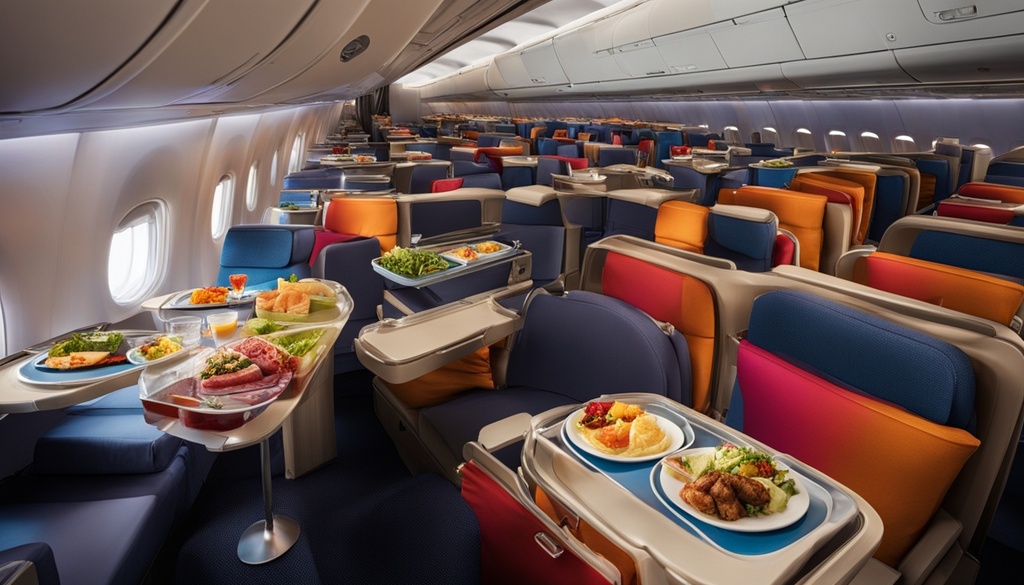
The airline industry is always getting better, and so are the in-flight meals. As it changes, we’ll see more myths about air travel food fade away.
Cabin Crew Misconceptions Demystified
As a passenger, you might think you know what cabin crew do. But the truth is, their job is much more complex and interesting. They are key to making sure passengers are safe and comfortable during flights.
Many thinks cabin crew just serve drinks and pick up trash. But they’re actually trained for many tasks, from everyday service to emergencies. Their main job is always to keep passengers safe.
- Cabin crew learn first aid, firefighting, and how to evacuate quickly in emergencies.
- They know how to solve conflicts and calm upset passengers with skill.
- They also make sure passengers have a great flight by meeting their needs and making them comfortable.
People often think cabin crew have it easy. But their job is really hard and requires a lot of work. They work hard to keep everyone safe and happy, often doing more than what’s expected.
“The role of an airline cabin crew member is to ensure the safety and comfort of every passenger, from takeoff to landing. It’s a responsibility we take very seriously, and it requires extensive training and a deep commitment to excellence.”
Next time you fly, think about the hard work of airline cabin crew. They make flying safe and comfortable for everyone. Their hard work often goes unseen, but it’s crucial for passenger safety and happiness.
Pilot Myths: Separating Fact from Fiction
Airline pilots are the captains of the skies. They make sure the aircraft is safe and everyone on board is safe. We’ll look at pilot myths and find out what’s true about their training, decision-making, and the hard work of aviation professionals.
Unveiling the Truth About Aviation Professionals
Many think airline pilots do it all by themselves. But the truth is, a whole team works together. This includes co-pilots, flight engineers, and navigators. Each one brings their own skills to the table to keep the flight safe.
Getting into airline pilots is tough. They go through a lot of training and have to meet high standards. They must pass medical checks, psychological tests, and flight simulations. This makes sure only the best aviation professionals get the job.
| Pilot Myth | Reality |
|---|---|
| Pilots have an easy, stress-free job. | Pilots work in a high-pressure job, making important decisions quickly and handling many systems at once. |
| Pilots can fly any type of aircraft. | Pilots need a lot of training and special certifications for each aircraft they fly. |
| Pilots have total control over the aircraft. | Pilots work with air traffic controllers to keep planes safely apart. |
Learning about airline pilots and aviation careers helps us see how important they are. They make flying safe and comfortable for everyone.
Facts on Engineering
The Four Forces of Flight
Lift, Thrust, Drag, and Weight
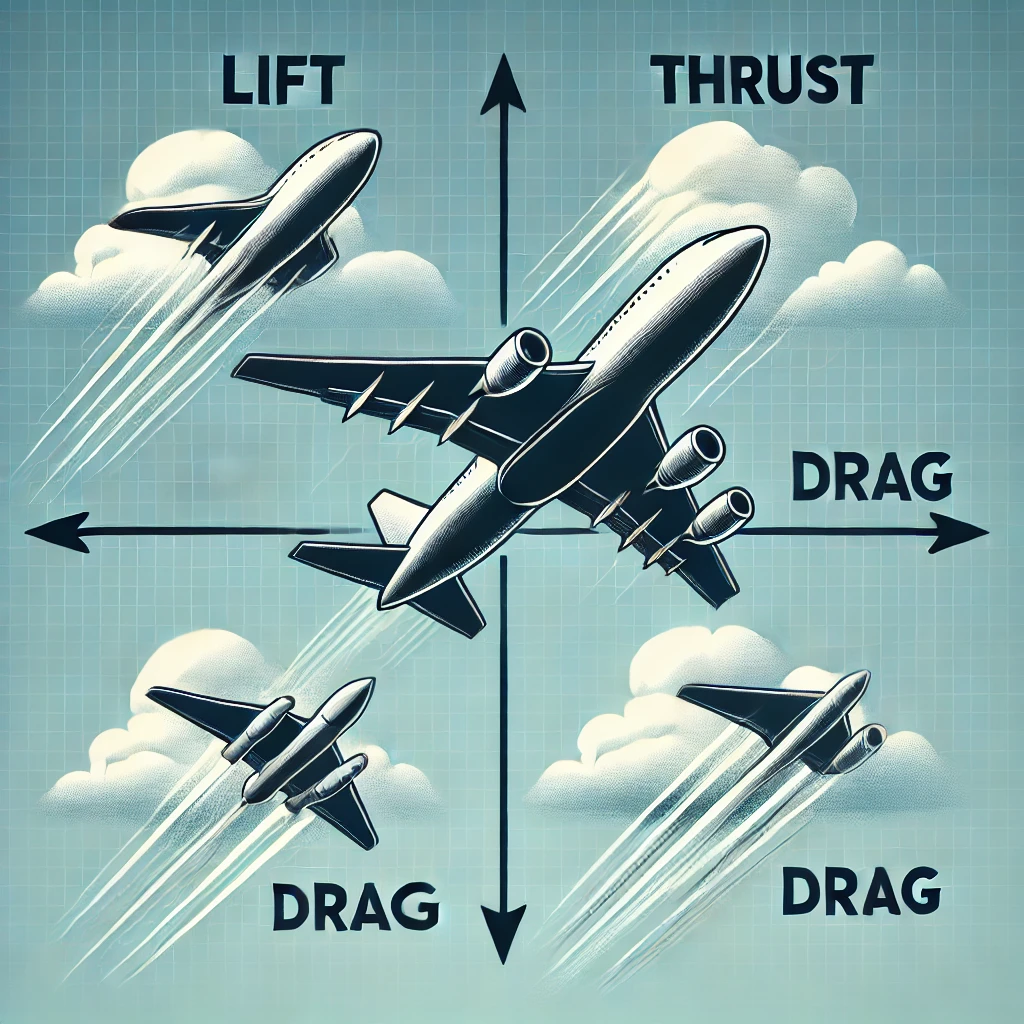
The fundamental principles of flight involve four key forces: lift, thrust, drag, and weight. These forces work together to enable an airplane to ascend, maintain altitude, and navigate through the skies. Grasping these dynamics is essential for anyone with a passion for the skies and the world of aviation.
Aviation Pioneers: The Wright Brothers
The Birth of Powered Flight
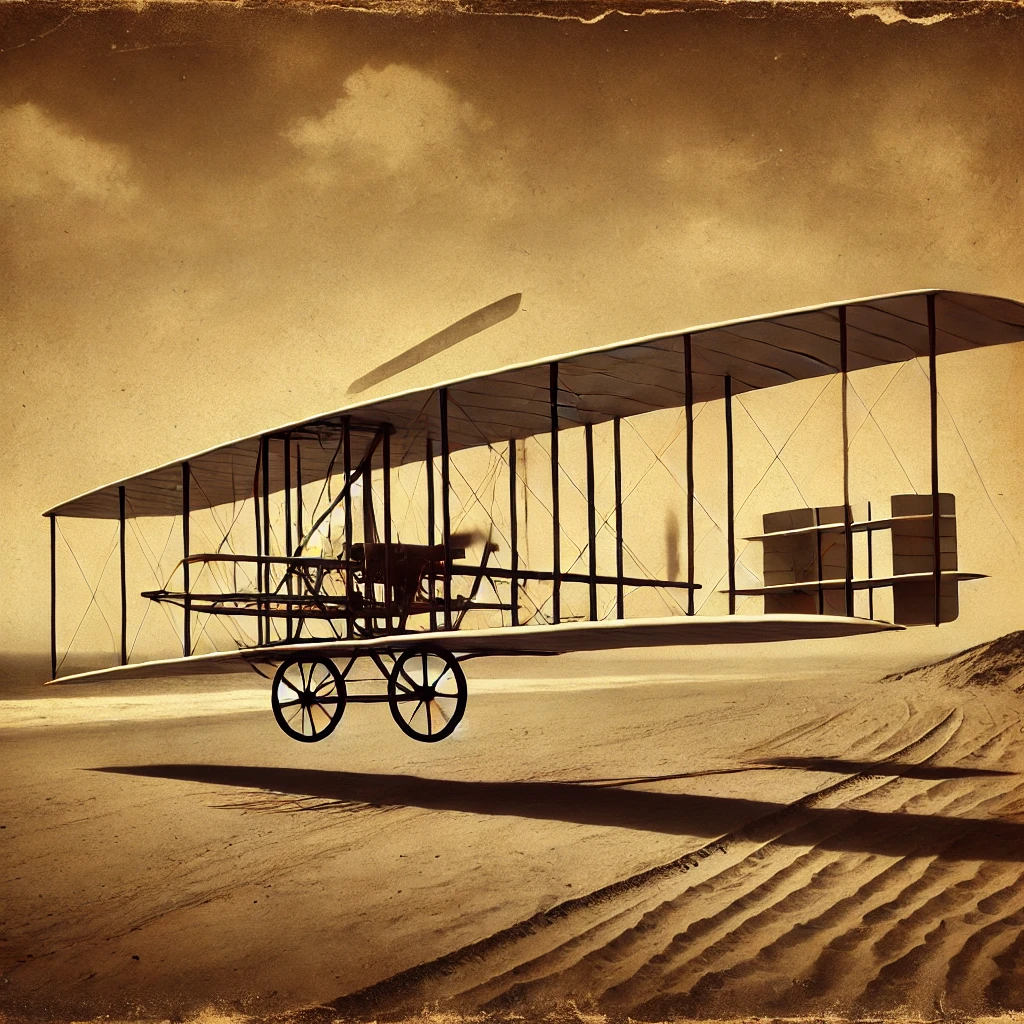
The Wright brothers made history in 1903 by achieving the first controlled, sustained flight with their aircraft, the Wright Flyer. Their invention marked the beginning of modern aviation, with their first flight covering just 120 feet. In contrast, today’s Boeing 787 can fly up to 10,000 miles on a single tank of fuel.
Tenerife Accident: The Deadliest Ground Collision
Tragedy on the Runway
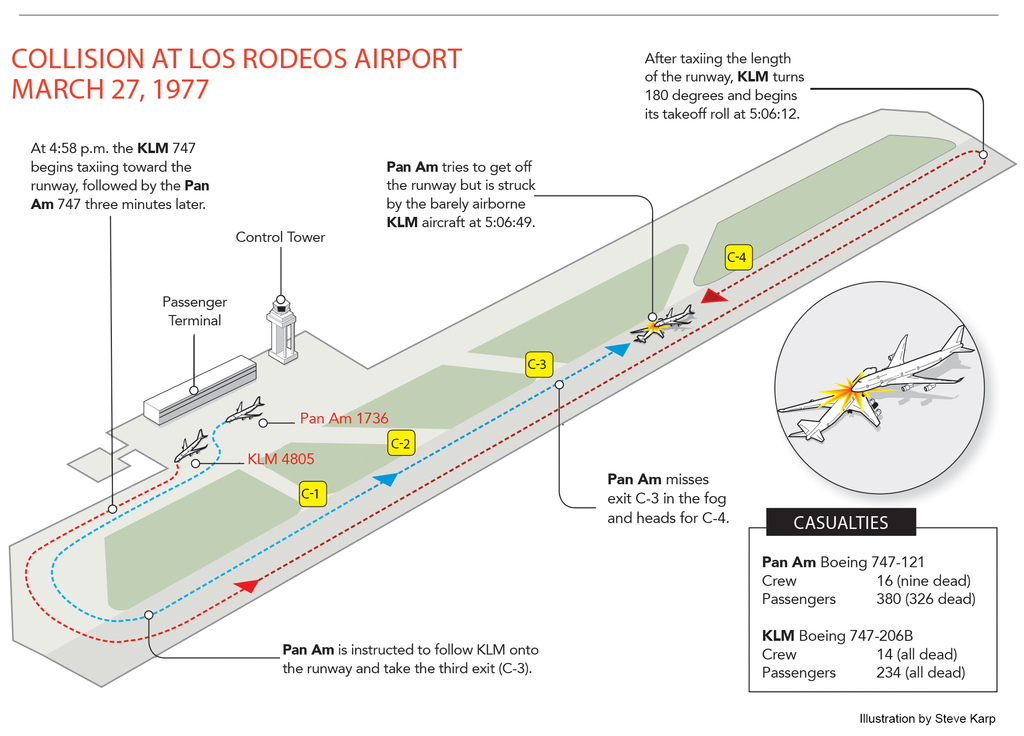
In 1977, one of the deadliest aviation disasters occurred on the ground at Tenerife Island, when two fully loaded planes collided on the runway, resulting in the loss of over 500 lives. This tragic event is a stark reminder of the importance of communication and safety protocols in aviation.
Airplane Turbulence and Climate Change
The Impact of Increased CO2 Levels
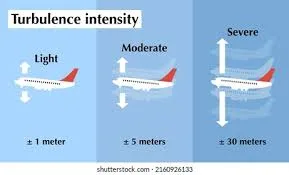
Recent studies suggest that rising carbon dioxide levels in the atmosphere are contributing to more frequent and severe airplane turbulence. This phenomenon poses new challenges for pilots and highlights the broader environmental impacts of climate change.
Emergency Oxygen Masks: Limited Lifespan
15 Minutes of Air Supply
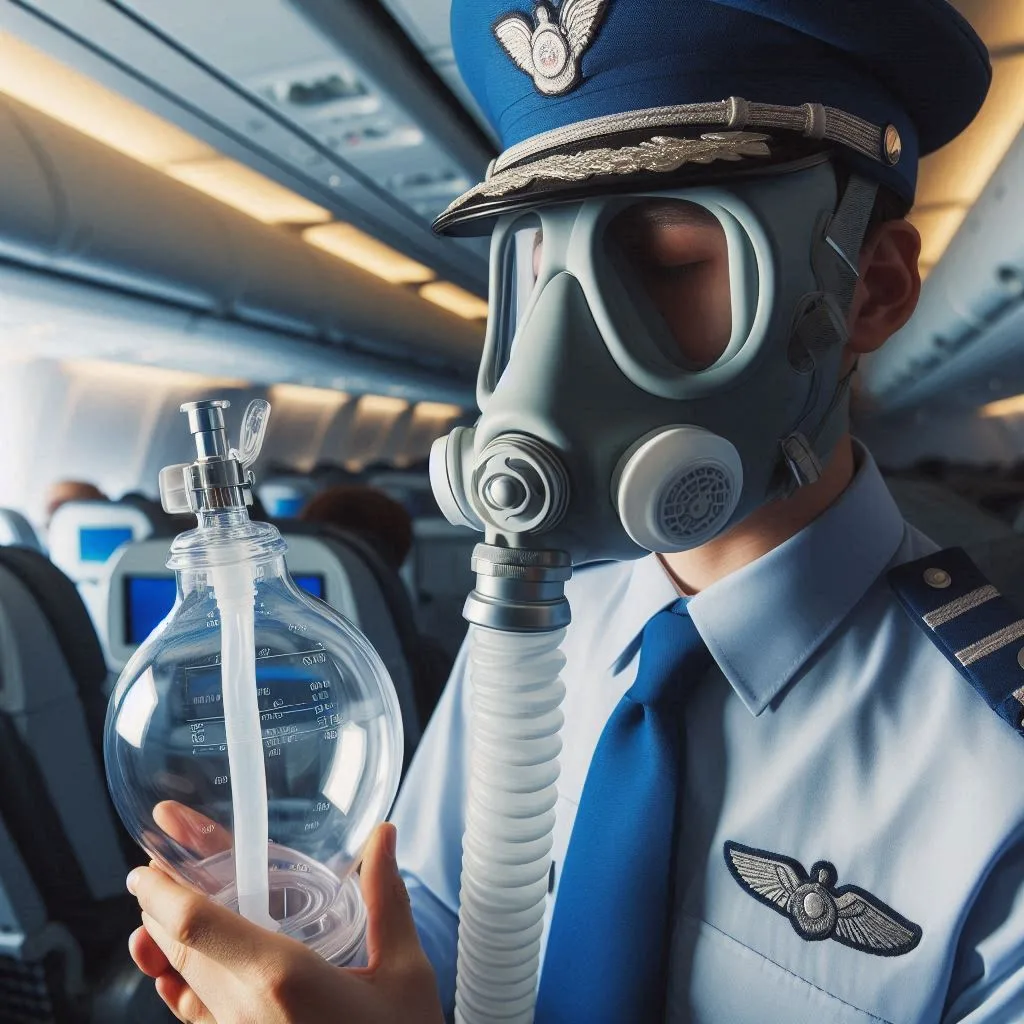
The emergency oxygen masks on airplanes are designed to provide oxygen for only about 15 minutes. This duration is typically sufficient for pilots to descend to a safer, breathable altitude in the event of cabin depressurization.
The International Language of Flight
English as the Universal Aviation Language

English is the designated international language of aviation. All flight controllers and commercial pilots on international flights are required to speak English, ensuring clear communication across global airspace.
The World’s Smallest Jet: BD-5 Micro
A Tiny Engineering Marvel
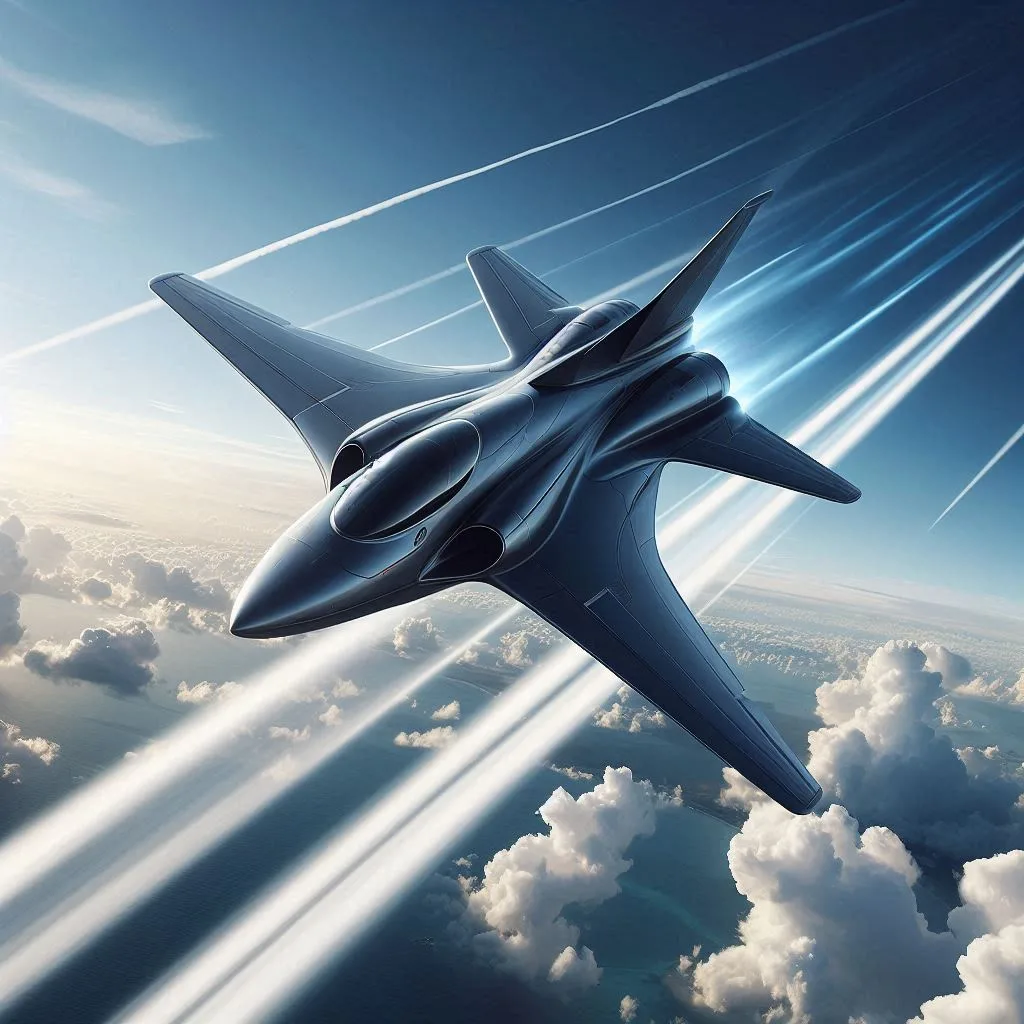
The BD-5 Micro holds the title of the world’s smallest jet, with a wingspan of 14–21 feet and a weight of just 358 pounds. Despite its size, only a few hundred of these jets have been built, making it a rare and fascinating aircraft.
Costly Components: The Boeing 747 Cockpit
The Price of Precision
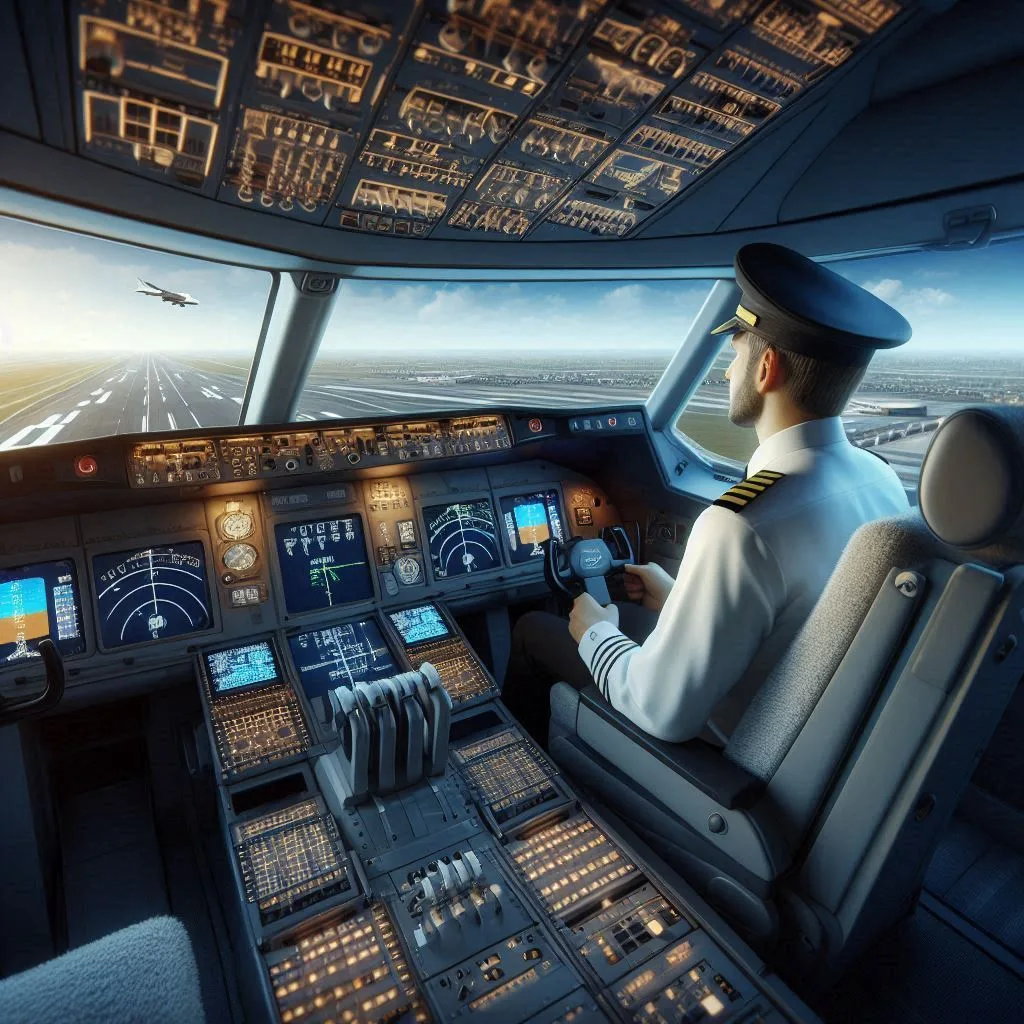
A single windshield or window frame for a Boeing 747-400’s cockpit can cost as much as a luxury car, such as a BMW. This fact underscores the high cost of maintaining and operating large commercial jets.
Airline Safety Protocols: Food and Flight Crew
Reducing the Risk of Food Poisoning

To minimize the risk of food poisoning affecting both pilots and copilots on major airlines, they are usually served different meals. This precaution helps ensure that one pilot is always capable of safely flying the plane.
The Boeing 747: A Marvel of Engineering
Miles of Wiring and Tons of Fuel

The average Boeing 747 contains around 150–175 miles of wiring and can carry about 60,000 gallons of jet fuel. Despite its massive size and weight, this iconic aircraft is known for its efficiency and reliability.
Autopilot: The Technology Behind the Flight
Enhancing Precision and Fuel Efficiency
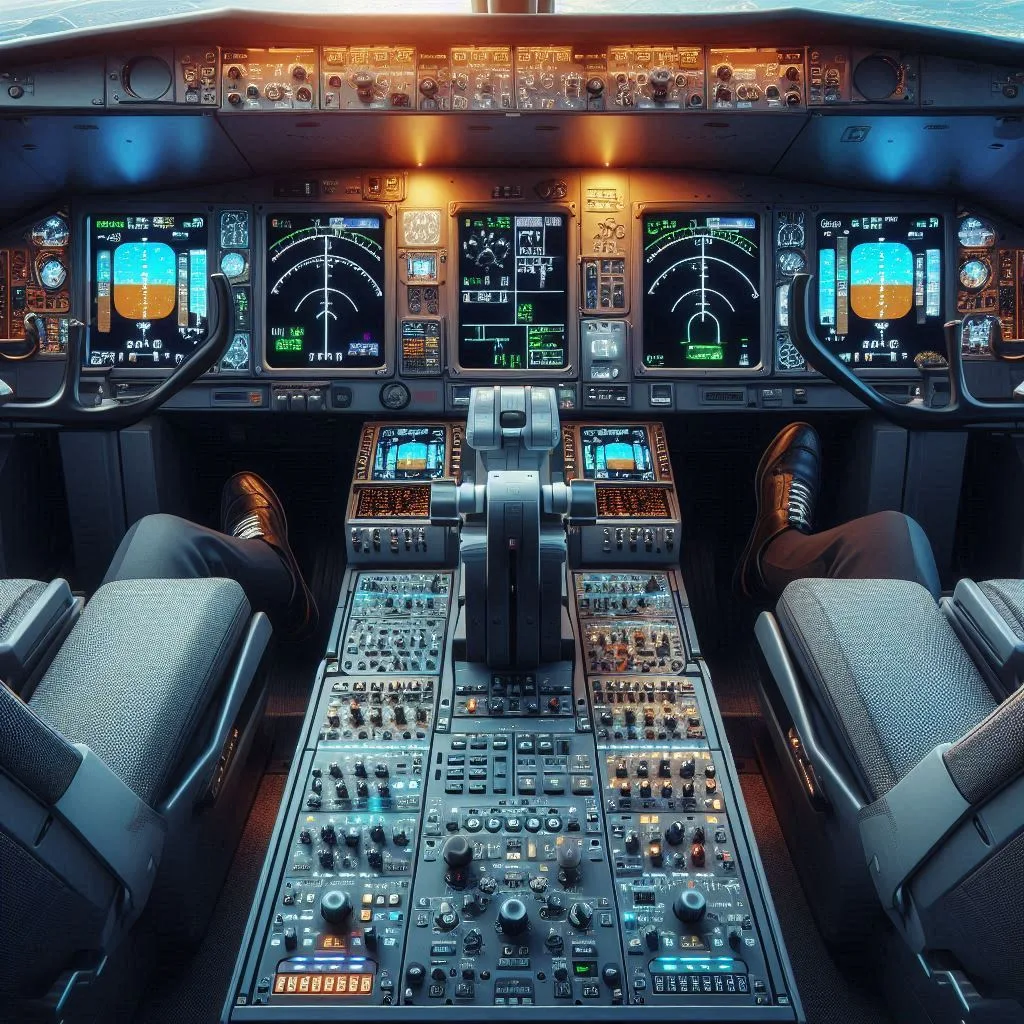
Autopilot systems are commonly used during flights to make precise adjustments and improve fuel efficiency. While pilots typically take manual control during takeoff and landing, autopilot is a crucial tool for ensuring a smooth and safe flight.
Airline Industry Facts: Revenue and Statistics
A Global Powerhouse
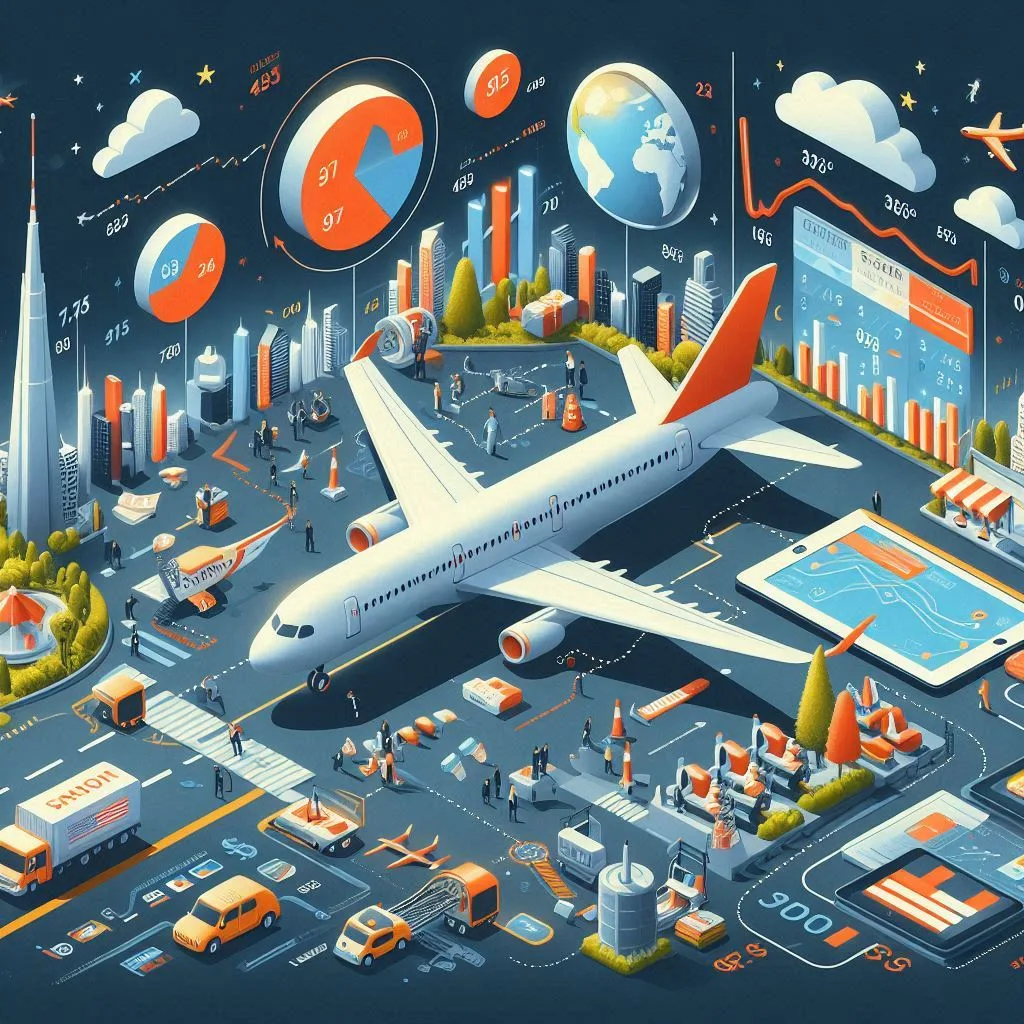
The U.S. airline industry generates approximately $170 billion in revenue each year, with the top 10 airlines accounting for over 75% of this income. Globally, the airline industry’s revenue reaches about $640 billion, making it a significant contributor to the world economy.
Airplane Hygiene: Germ Hotspots
The Importance of Cleanliness
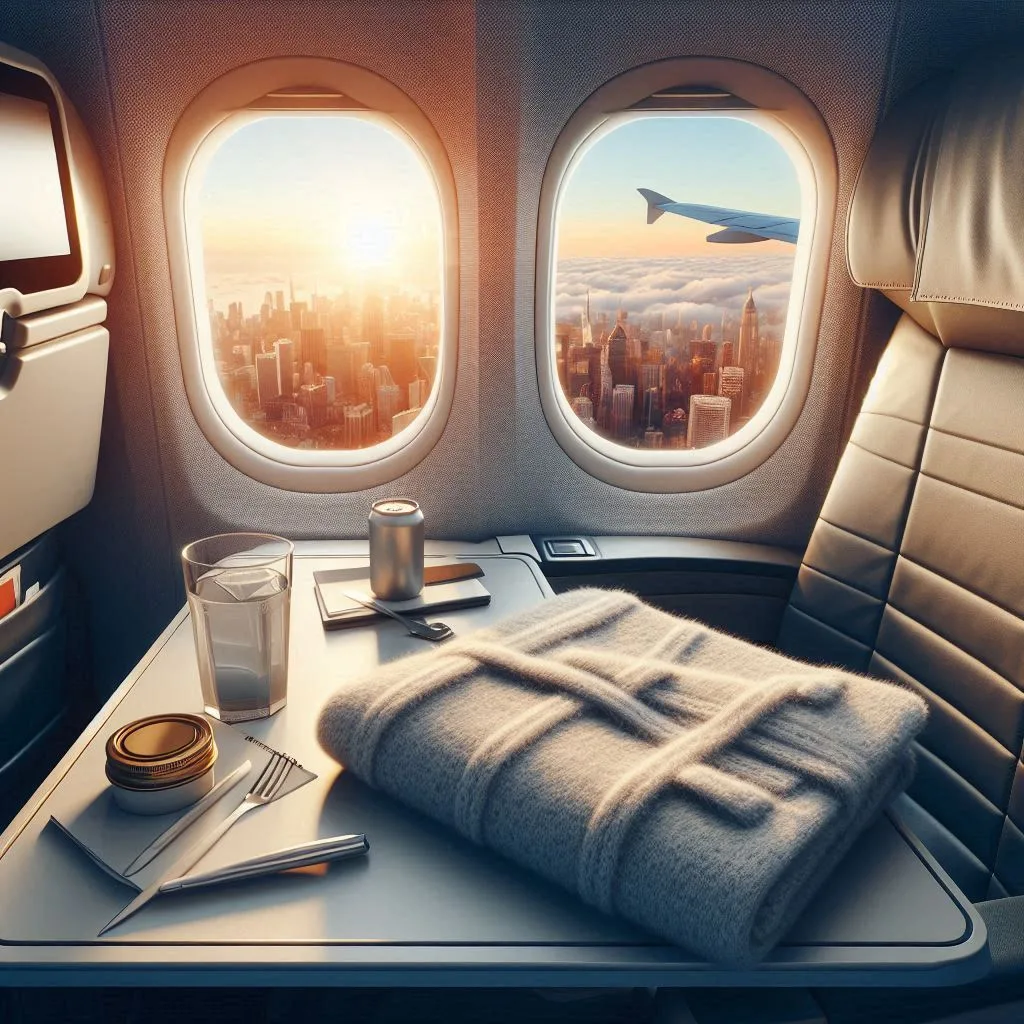
Airplanes can harbor germs, particularly on tray tables and seat belts. Surprisingly, airline blankets are often washed only every 5–30 days, which highlights the importance of personal hygiene during flights.
The Legendary Charles Lindbergh
First Solo Transatlantic Flight

Charles Lindbergh is one of the most famous pilots in history, known for his solo nonstop flight across the Atlantic Ocean in 1927. His journey from New York to Paris covered 3,631 miles and took 33 hours and 29 minutes, earning him international acclaim.
The Environmental Impact: Myth or Reality?
The airline industry has faced a lot of criticism for its environmental impact. Some say these concerns are just myths, but the truth is, the industry’s carbon footprint is a big problem. It needs our focus.
Airlines are a big part of the problem with carbon emissions. They make up about 2-3% of global greenhouse gas emissions. This might seem small, but air travel is huge, so the effect is bigger than you think.
| Sustainability Initiatives | Carbon Emissions |
|---|---|
| Investing in more fuel-efficient aircraft Implementing biofuel-powered flights Reducing single-use plastics on board Offsetting carbon emissions through tree planting and other initiatives | Airlines aim to cut carbon emissions by 2030 and reach net-zero by 2050 New aircraft designs, engine tech, and sustainable fuels are lowering emissions Exploring carbon capture and storage tech to lessen environmental impact |
The airline industry is taking action. Many airlines are working on sustainability initiatives to lessen their carbon emissions. They’re buying more fuel-efficient planes, using biofuels, cutting down on plastics, and offsetting carbon emissions.
There’s still a lot to do, but these efforts show the industry’s commitment to the environment. With more innovation and teamwork, airlines can tackle their environmental impact effectively.
“The airline industry is taking significant strides to reduce its carbon footprint and become more environmentally responsible. While challenges remain, the commitment to sustainability is undeniable.”
Interesting Aircraft Facts:
- The cockpit windshield frame of a Boeing 747-400 costs as much as a BMW.
- Pilots and copilots on major airlines often eat different meals to prevent food poisoning from affecting both.
- Control tower windows are angled precisely at 15 degrees to reduce reflections.
- A Boeing 747 contains around 150–175 miles of wiring.
- The C-5, one of the longest military aircraft, is longer than the Wright brothers’ first flight.
- A Boeing 767 draws in enough air through its engines to fill a Goodyear Blimp in just 7 seconds.
- The landing gear of a Boeing KC-135 has enough material to make 100 automobile tires.
- The Concorde, now retired, had more astronauts fly on it than pilots. It was known for its supersonic speed and engineering prowess.
- Harriet Quimby, the first American woman to earn a pilot’s license, was also the first to fly across the English Channel.
- Amelia Earhart was the first woman to fly solo across the Atlantic and helped establish “The Ninety-Nines,” a women pilots’ organization.
- Commercial runways are typically 2 to 4 feet thick with asphalt, while taxiways are about 18 inches of concrete.
- Airplanes usually cruise at about 35,000 feet, which would be a mere 1/10 of an inch off the surface of a desktop globe.
Aircraft Records:
- The Airbus A380 is the world’s largest passenger plane, a double-decker jetliner first flown in 2005.
- The Lockheed SR-71 Blackbird holds the record for the fastest airplane, reaching speeds of 2,193 miles per hour.
Random Facts:
- Sitting in the tail of an airplane may increase your chances of surviving a crash by 40%.
- The Antonov AN-225 is the world’s largest cargo jet, nearly the size of a football field.
- About 95.7% of plane crash victims survive.
- The fuel capacity of a Boeing 767-400 could fill 1,400 minivans.
- The Airbus A380 has about 4 million parts.
Additional Facts:
- Autopilot is typically used during most of a flight, improving fuel efficiency except during turbulence.
- Airplane contrails, made of frozen water vapor, can predict weather changes.
- The FAA mandates that all planes must be able to be evacuated within 90 seconds.
Flight Attendant and Smuggling Facts:
- Flight attendants are more likely to be subject of “love at first sight” than any other profession.
- Emergency landings sometimes require dumping fuel to avoid an overweight landing.
- Unusual smuggling attempts include concealing live animals and body parts.
Historical Facts:
- George Cayley, considered the father of aviation, built the first successful glider in 1799.
- Charles Lindbergh was the first to fly solo nonstop across the Atlantic in 1927.
- Chuck Yeager broke the sound barrier in 1947, and the Voyager completed a nonstop world flight in 1986.
Environmental Impact:
- Plane exhaust causes more fatalities annually than plane crashes due to toxic pollutants.
Aviation Milestones and Historical Facts:
- Early Flight Pioneers: Samuel Pierpont Langley’s 16-foot aircraft achieved flight seven years before the Wright brothers’ historic December 17, 1903, flight. Langley’s craft covered three-quarters of a mile and stayed aloft for a minute and a half but was unmanned. The Wright brothers are credited with making the first powered flight carrying a human.
- First Fatal Crash: The world’s first fatal airplane crash occurred in 1908 when a propeller failure caused the aircraft to plummet 150 feet. Lt. Thomas Selfridge of the U.S. Signal Corps died on impact, while the pilot, Orville Wright, survived with a broken leg. Orville Wright experienced eight crashes throughout his life and flew for 43 years without a pilot’s license.
- Transatlantic Firsts: Many people mistakenly think Charles Lindbergh made the first transatlantic flight. He completed the first solo transatlantic flight on May 20-21, 1927. The actual first transatlantic flight was accomplished by Capt. John Alcock and Lt. On June 14-15, 1919, Arthur Whitten Brown piloted a modified Vimy night bomber on a non-stop flight from Canada to Ireland. Their journey took 16 hours and 12 minutes.
- Lucky Charms and Challenges: Alcock and Brown took two stuffed black cats, Lucky Jim and Twinkletoes, for luck on their flight. They encountered numerous challenges, including a disintegrating exhaust pipe, blinding fog, and ice formation on instruments. Despite these issues, they landed safely. Alcock tragically died six months later in a foggy accident.
- Supersonic Speed: The Concorde, which retired in 2003, once made the transatlantic journey from New York City to London in just 2 hours and 52 minutes on February 7, 1996, breaking the speed record. Its typical flight time was over three and a half hours. These days, the journey spans around five to six hours.
- Early Airmail Flight: In May 1918, President Wilson and other officials witnessed the first airmail flight intended to carry mail from Washington, D.C., to Philadelphia. The plane went off course and landed in Waldorf, Maryland. The mail made its journey aboard a train.
- Hughes’ Record: In 1938, Howard Hughes set the world record for flying around the world in 91 hours. His plane was filled with ping-pong balls to ensure it would float if it crashed over the ocean. The journey included stops in Paris, Moscow, Omsk, Yakutsk, Fairbanks, and Minneapolis.
- First Non-Stop World Flight: On March 2, 1949, a U.S. Superfortress bomber completed the first non-stop flight around the world, covering 23,452 miles in 94 hours and 1 minute, with four in-flight refuelings.
- Concorde’s Record: The Concorde holds the current record for the fastest circumnavigation of the globe, achieved in August 1995. The flight from and to JFK in New York City lasted 31 hours, 27 minutes, and 49 seconds.
- Breaking the Sound Barrier: On October 14, 1947, Chuck Yeager became the first pilot to break the sound barrier in the X-1 aircraft, nicknamed “Glamorous Glennis,” reaching speeds of 662 mph over Rogers Dry Lake, California.
- Commercial World Flight: Boren made history as the inaugural traveler to circumnavigate the globe using commercial flights in under 100 hours!
- Voyager’s Non-Stop Flight: In 1986, pilots Dick Rutan and Jeana Yeager completed the first round-the-world flight without refueling in the Voyager aircraft. The journey took 216 hours, 3 minutes, and 44 seconds, covering 25,012 miles.
- Early Airplane Toilets: The first airplane toilets were simply holes in the fuselage, allowing passengers to see the landscape below. Today, the most expensive toilet is on the International Space Station, costing about $23 million.
- Moon Landing: Mankind first landed on the Moon just 66 years after the Wright brothers’ first flight at Kitty Hawk.
Safety and Pilots
- Flying Anxiety: A significant portion of the population, ranging from 33% to 40%, feels a wave of anxiety wash over them when it comes time to take to the skies.
- Pilot Fatigue: In Sweden, Norway, and the U.K., between 43% and 54% of pilots admitted to falling asleep while flying due to fatigue. One-third of these pilots found their co-pilots asleep as well, highlighting the importance of proper rest and mental health.
- Pilot Pay: Most commercial pilots are paid based on the number of hours they fly rather than a monthly salary.
- Safest Seat: The area near the tail of an airplane is considered the safest in the event of a crash.
- Mercury Safety: Mercury can damage aluminum and is prohibited on airplanes due to safety concerns.
- Autopilot Use: Autopilot is typically used during flight except in cases of turbulence, take-offs, and landings. It helps achieve optimal fuel efficiency.
- World’s Largest Runway: The longest runway is at China’s Qamba Bamba Airport, measuring 5.5 kilometers.
- Survival Time: Passengers have roughly 90 seconds to exit an aircraft in the event of a fire before it becomes critical.
- Fuel Efficiency: Cutting costs by reducing fuel can improve gas mileage but may lead to safety risks if pilots take off with less than the recommended fuel amount.
- Aircraft Parts: Manufacturers rely on hundreds of suppliers for parts, including seats, fuselages, and engines.
- Seatbelts and Safety: Waist belts alone may not handle severe impacts well, which is why pilots and crew often use shoulder straps or five-point harnesses.
- Pilot Rest: Pilots may sleep during long-haul flights using autopilot. The FAA cites increasing reliance on automated systems as a safety concern.
- Special Meals: Airlines provide specially prepared meals for pilots to prevent food poisoning. Sometimes, pilots and co-pilots eat different meals for additional safety.
- Taste Buds: One-third of taste buds become numb while flying, which is why food may taste different on an airplane.
- 1977 Collision: In 1977, two fully loaded planes collided head-on on a runway in Tenerife, resulting in 583 fatalities.
- Military Aircraft Size: Military aircraft can be longer than a five-story building.
- Concorde’s Speed: The Concorde, the world’s fastest airliner, was a joint British-French project and could fly at twice the speed of sound.
- Concorde History: The first Concorde test flight was on March 2, 1969. It operated from 1976 to 2003, with a maximum speed of twice the speed of sound.
- Concorde Capacity: The Airbus A380 is the world’s largest passenger jet, with a range of 14,800 km, and can carry up to 853 passengers in an all-economy configuration.
- Runways for A380: Only 20 runways worldwide can accommodate the Airbus A380.
- Narrow vs. Wide-body: Narrow-body aircraft have one aisle, while wide-body aircraft have two. The Boeing 747 is a wide-body aircraft, while the Boeing 737 is a narrow-body aircraft.
- Safety Record: Qantas is known as the world’s safest airline with zero fatalities on record.
- Cost Savings: American Airlines saves $40,000 annually by removing one olive from each in-flight salad.
- Busiest Airport: Hartsfield–Jackson Atlanta International Airport is the world’s busiest airport according to Airports Council International.
- 747’s Record: The Boeing 747 held the passenger capacity record for 37 years until the Airbus A380’s introduction in 2007. Its electrical capacity could power 480,000 32-inch TVs.
- 747 Fleet Distance: If the total distance covered by Boeing 747s were added up, it would be equivalent to 75,000 trips to the Moon and back.
- Longest Flight: The world’s longest non-stop flight is 18 hours and 50 minutes from Singapore (SIN) to New York City (JFK) by Singapore Airlines.
- Daily Flights: Approximately 30,000 flights occur in the U.S. daily, with over two million passengers traveling every 24 hours.
- Oldest Airlines: KLM, established in 1919, is the world’s oldest airline, followed by Qantas.
- U.S. Airports: One-third of the world’s airports are located in the U.S.
- Online Check-In: Alaska Airlines introduced online check-in in 1999.
- How Airplanes Fly: Airplanes stay airborne due to the difference in air pressure above and below the wings, known as lift.
- Wright Brothers: Orville and Wilbur Wright invented the world’s first successful airplane in 1903.
- Blunder Trophies: In the 1920s and 1930s, pilots received “Blunder Trophies” for humorous mistakes made during flight.
- Runway Thickness: Commercial runways can be 2-4 feet thick, with asphalt layers.
- Antonov AN-225: The Antonov AN-225 was the world’s largest cargo jet.
- Largest Fleet: American Airlines has the world’s largest aircraft fleet.
- In-Flight Catering: The in-flight catering industry is worth $18 billion and employs over 200,000 individuals.
- Boeing 727 Mystery: The fate of a Boeing 727 that took off in 2003 remains unknown.
- North American X-15: The fastest supersonic airplane, the North American X-15, can fly at 6.7 times the speed of sound (7,200 km/h).
- Tallest ATC Tower: New Bangkok International Airport in Thailand features the world’s tallest air traffic control tower at 132.2 meters (434 feet).
- Largest Airport: King Fahd International Airport in Dammam, Saudi Arabia, covers 192,000 acres, larger than Bahrain.
- GE90 Engine: The GE90, developed for the Boeing 777, is the world’s most powerful turbofan engine, producing 127,900 pounds of thrust.
- Airbus A380: The Airbus A380, the largest passenger airliner, has a maximum take-off weight of 575 tonnes and can carry 320,000 litres of fuel. Emirates is its largest operator.
Conclusion
As I’ve looked into the airline industry, I’ve uncovered the truth behind myths and facts. I hope you now see the amazing work in engineering, safety, and maintenance that keeps us flying. The industry is full of new tech, a focus on safety, and a drive for the best.
This journey was to clear up common misconceptions. We talked about myths about flying, how planes use fuel, and what’s in our meals. My aim was to show the real story and the hard work of those who keep our skies safe and efficient.
As we end this look at airline facts, myth-busting, and industry insights, I hope you see aviation in a new light. It’s a world of wonders, where dreams take flight, and safety and comfort come first. The industry is powered by passion, new ideas, and a strong commitment to being the best.