


Hello Readers, Today, we will dive into a deeply sacred and spiritually significant day for followers of the Hindu faith — Harishayani Ekadashi, also lovingly known as Devshayani Ekadashi, Ashadhi Shukla Ekadashi, or Ashare Ekadashi. This auspicious occasion not only holds immense religious importance but also marks the beginning of a divine phase in the Hindu calendar — Chaturmas, the four-month period when Lord Vishnu enters cosmic sleep in the Ksheer Sagar (Ocean of Milk), resting on the serpent Sheshnag.
But first, let’s understand what Ekadashi means.
Understanding Ekadashi
Ekadashi is a Sanskrit word where “Eka” means eleven and “Dashi” means day. So, Ekadashi refers to the 11th day of each lunar fortnight in the Hindu calendar. Each month actually has two Ekadashis — one during the waxing moon phase (Shukla Paksha) and one during the waning moon phase (Krishna Paksha). Devotees consider these days spiritually powerful, so they actively engage in fasting, prayer, and devotion—especially to Lord Vishnu.
Among these many Ekadashis, Harishayani Ekadashi stands out as it marks the beginning of the sacred period of Chaturmas.
But there’s more—devotees also celebrate this day as Tulsi Ropne Din, the sacred Tulsi Planting Day. On this special occasion, they actively plant the holy Tulsi (Holy Basil) in their homes and temples. They revere Tulsi as the earthly form of Goddess Lakshmi, the beloved consort of Lord Vishnu, believing she brings peace, prosperity, and spiritual purity into their households.
In this post, we will explore the meaning and significance of Harishayani Ekadashi, its connection to Chaturmas, the fascinating stories behind this day, and the sacred tradition of Tulsi Ropne Din — guiding you on how to observe these holy customs in 2025 with devotion and understanding.
In this blog, we’ll explore:
- 🛏️ The spiritual meaning of Harishayani Ekadashi
- 🌧️ Why it begins the sacred Chaturmas
- 📿 The rituals, stories, and fasting practices
- 🌱 The importance and celebration of Tulsi Ropne Din
- 🙏 And how you can celebrate both traditions meaningfully in 2025
So, let’s dive deep into this beautiful blend of devotion, nature, and divine alignment that makes this day so incredibly special.
🛏️ What is Harishayani Ekadashi?
The word “Hari” is another name for Lord Vishnu, the preserver of the universe. “Shayani” means to sleep or rest. Together, “Devshayani” refers to the divine (Dev) sleep of Lord Vishnu. The word “Ekadashi” comes from Sanskrit, where “Eka” means eleven and “Dashi” means day. So, Ekadashi is the 11th day of every lunar fortnight in the Hindu calendar. Harishayani Ekadashi, also called Devshayani Ekadashi or Ashar (Ashadh) Shukla Ekadashi, falls on the 11th day of the waxing moon phase in the month of Ashadh (June–July). It marks the beginning of Lord Vishnu’s cosmic sleep and the sacred period of Chaturmas.
Harishayani Ekadashi, also known as Devshayani Ekadashi, Ashadhi Ekadashi, or Asarey Ekadashi, is a sacred day where spiritual energy, devotion to nature, and deep-rooted Hindu traditions come together in harmony.
Read also Utpanna Ekadashi 2024: Significance, Puja Sahit & Date
This holy observance falls on the Ekadashi (11th lunar day) of the Shukla Paksha (waxing moon phase) in the month of Ashadh (June–July) according to the Hindu lunar calendar.
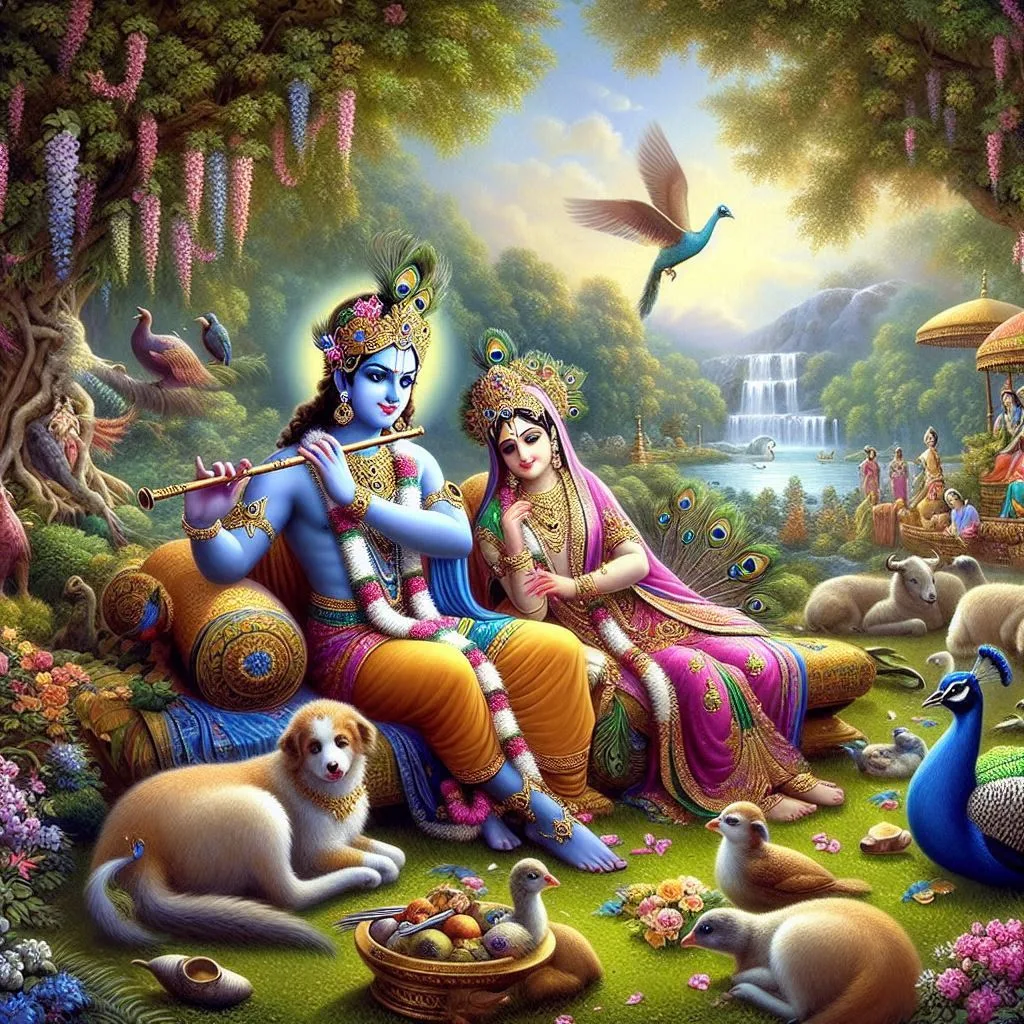
On this sacred day, Lord Vishnu enters Yoganidra—a deep, meditative cosmic sleep—reclining on the divine serpent Sheshnag and floating on the celestial Ksheer Sagar (Ocean of Milk).
His sleep marks the start of Chaturmas, a spiritually significant four-month period. During this time, devotees deepen their spiritual practice through prayer, fasting, and self-discipline while the Supreme Being rests.
Chaturmas continues until Haribodhini Ekadashi, when Lord Vishnu awakens in the month of Kartik (October–November), inviting renewed spiritual energy and divine blessings.
🌧️ Significance of Chaturmas
During Chaturmas, devotees believe that if they sincerely and selflessly worship Lord Vishnu, He forgives their sins and blesses them. Furthermore, the Bhavishya Purana explains that those who fast and remember Lord Narayana during this time will, after death, travel happily to Vishnulok — His divine home in the heavens.
On every Ekadashi, devotees worship Lord Vishnu. However, during Chaturmas, they make this worship extra special. Since they believe Lord Vishnu is sleeping, they perform all the rituals with more care, love, and devotion.
Chaturmas begins on Ashadh Shukla Dwadashi (a day after Harishayani Ekadashi) and ends on Kartik Shukla Dwadashi. During this time:

- Devotees believe that Lord Vishnu rests during this time.
- Interestingly On Bhadra Shukla Ekadashi, Lord Vishnu turns to His right side in sleep — a moment known as Hariparvartini Ekadashi.
- Finally, Lord Vishnu wakes up on Kartik Shukla Ekadashi. Devotees celebrate this special day as Haribodhini Ekadashi.
- These three divine moments are so spiritually significant that the Skanda Purana, Brahma Purana, Bhavishya Purana, and Varaha Purana all urge devotees to honor and celebrate them with devotion and rituals. These events symbolize the cosmic rhythm of divine rest and renewal, and they offer great spiritual merit to those who observe them.
- During this time, people avoid holding marriages, Upanayana (sacred thread ceremonies), or other auspicious events.
- It’s a time of inner reflection, spiritual discipline, and focus on dharma and agriculture.
Logical Significance:
This is also the busiest time for farmers due to monsoon and plantation work. By pausing rituals and large social events, the community focuses on productivity and natural cycles.
Duration of Chaturmas
From Ashadh Shukla Ekadashi, the Chaturmas fast begins — a holy four-month period of penance, prayer, and spiritual discipline. Devotees undertake vows during this time, refraining from certain foods and worldly pleasures, to align more closely with the divine.
This period concludes after observing Kartik Shukla Ekadashi, where the fast is broken with a structured and mindful approach — through prayers, offerings, and sattvic meals. Among all the Ekadashis observed during the year, Harishayani Ekadashi (when Vishnu sleeps) and Haribodhini Ekadashi (when He awakens) are especially significant. These are often referred to as “Thuli Ekadashi” or the Big Ekadashis because of their immense spiritual importance
Everyone—regardless of caste, gender, or age—is encouraged to observe Chaturmas by avoiding distractions and increasing devotion.
Ritual Process:
Stay awake near the idol at night, chanting and listening to stories of Lord Vishnu.
Place Lord Narayana’s idol on a special seat.
Bathe the idol with Panchamrit (a mix of milk, curd, ghee, honey, and jaggery), and water from a conch.
Perform 16 traditional acts of worship, including decorating the idol with sacred symbols:
Shankha (Conch)
Chakra (Discus)
Gada (Mace)
Padma (Lotus)
Pitambara (Yellow garments)
Recite this sacred mantra:
सुप्ते त्वयि जगन्नाथे जगत्सुप्तं भवेदिदम्। विबुद्धे च विबुध्येत प्रसन्नो मे भवाच्युत।। (O Jagannath, when You sleep, the universe sleeps. When You awaken, the universe awakens. Please be pleased with me, O Achyut.)
Make offerings of sweets and fruits, perform Aarti, and offer flowers (Pushpanjali).
End your fast by feeding Brahmins and eating fruits.
📖 Story of Harishayani Ekadashi
A legend from the Skanda Purana tells of a righteous king named Mandata. His kingdom suffered from three years of drought, leading to famine and suffering. Confused and desperate, the king met sage Angira, who advised him to observe Harishayani Ekadashi Vrat (fast) with full devotion.
He did, and soon after, rain blessed the kingdom, restoring balance and prosperity.
🕉️ The moral? Faith, devotion, and righteous karma bring divine intervention.
🙏 Ekadashi: The Spiritual Science
In Vedic timekeeping, the lunar month is divided into 15 tithis (lunar days). Ekadashi is the 11th day and is considered highly sacred for worshiping Lord Vishnu.
According to the Bhavishyottar Purana, fasting on this day removes sins, purifies the soul, and brings one closer to moksha (liberation).
The Ekadashi Mahatmya and the Brahma Vaivarta Purana clearly describe the rules and benefits of Ekadashi fasting. It is believed that strict fasting, especially by abstaining from grains, brings the highest spiritual reward.
Importantly, fasting should be undertaken considering one’s physical health and strength — it’s a spiritual discipline, not punishment.
In Vedic philosophy, how one approaches Ekadashi is also linked to the type of karma (actions):
- Nitya Karma (Daily Duty): A spiritual act that must be done regularly — like Ekadashi — regardless of personal desire.
- Naimittika Karma (Occasional Duty): Acts performed due to specific circumstances. If ignored, they bring negative results.
- Kamya Karma (Desire-Based Duty): Acts done to fulfill a specific desire, bringing results only when performed.
Ignoring Ekadashi is considered neglecting Nitya karma, and thus, a spiritual disobedience of scriptures. On the other hand, properly observing Ekadashi — with sincerity, discipline, and devotion — is considered Kamya karma, which brings divine blessings and fulfills one’s wishes.
Types of Fasts on Ekadashi:
- Nirjala (strict) Best Practice: No food or water
- Phalahar (light) Alternative Fasting: Fruits, milk, ghee, yogurt
- Partial: Based on health or personal vows
⚠️ Grains (rice, wheat, lentils) are strictly avoided as they are believed to absorb sin on this day. Even having an evening meal is discouraged.
🍃 Tulsi Ropne Din: Planting the Sacred Basil

Harishayani Ekadashi is also known as Tulsi Ropne Din — the auspicious day to plant the Tulsi plant (Holy Basil), revered as Goddess Lakshmi and the beloved of Lord Vishnu.
In every Hindu household, Tulsi Mata symbolizes purity, devotion, and divine presence. Planting her is not just symbolic; it’s spiritual, ecological, and deeply rewarding.
🌱 Why Plant Tulsi on This Day?
- 🌿 She is Vishnu’s favorite. Planting her when he enters rest is like inviting Lakshmi to reside in your home during his absence.
- 🌿 She purifies the environment. Scientifically, Tulsi enriches oxygen and kills harmful bacteria.
- 🌿 She blesses the home. Protects from negativity and promotes health and harmony.
“Tulasyāḥ pātu no devyāḥ, pāpaṁ dāridryanāśanam।
Viṣṇupriyāsnahetavyaṁ, tulasīṁ dehi me śubhām॥”
🪴 How to Celebrate Tulsi Ropne Din – Step-by-Step Rituals
- 🧼 1. Prepare a Clean Space
Choose a sunny spot facing East or Northeast — ideal for Tulsi’s growth and spiritual alignment.
- 🪴 2. Use a Clay Pot or Garden Bed
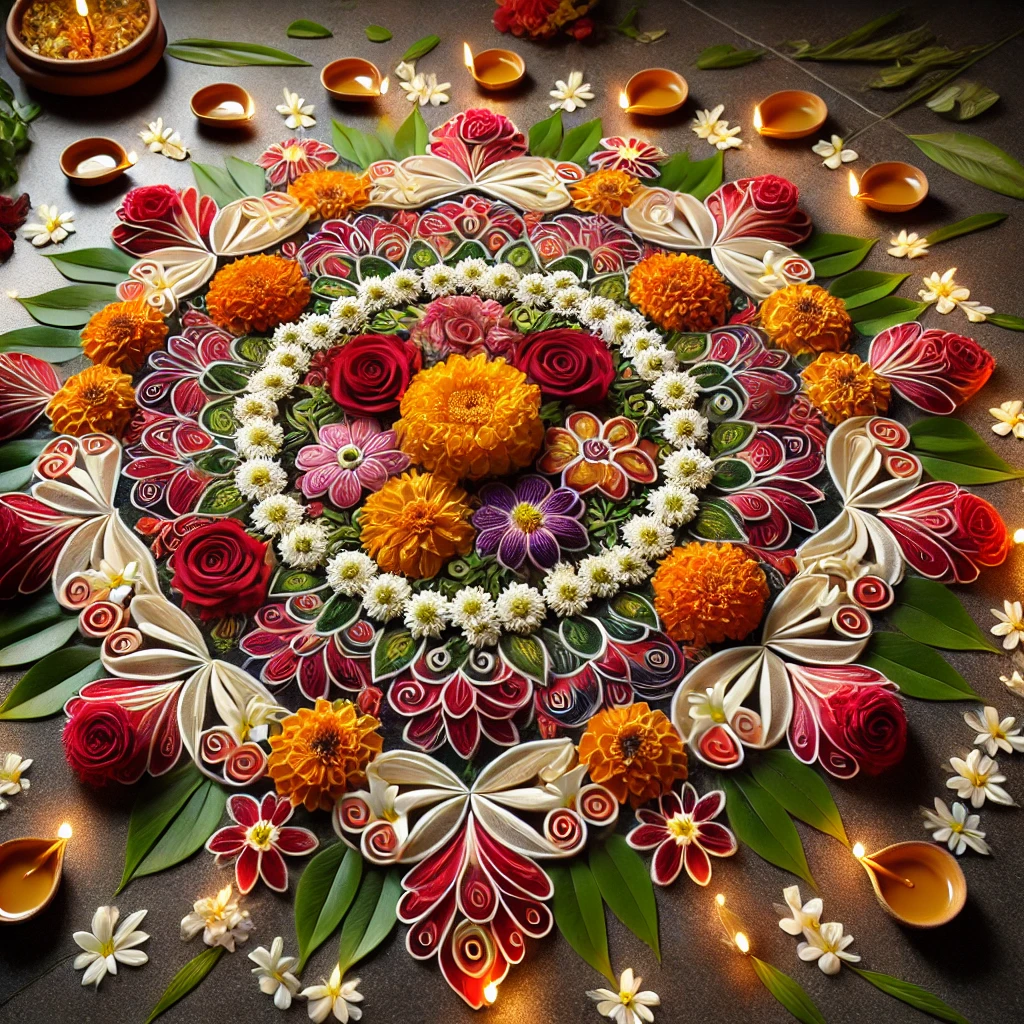
Clean it with Gangajal or clean water. Decorate with Rangoli, red cloth, and flowers.
- 🌸 3. Perform Tulsi Puja
Plant the Tulsi sapling with the chant: “Om Tulasyai Namah” (ॐ तुलस्यै नमः)
Offer kumkum, rice, diya, incense, and fresh flowers.
Sing Tulsi Aarti and light a lamp in the evening.
- 📝 4. Take a Sankalp (Vow)
Promise to:
- Water Tulsi daily
- Offer flowers and light a diya
- Refrain from harmful habits during Chaturmas
📿 Mantras for the Day
🌿 Tulsi Stotra
“Tulasi Amritajanmasi Sada Tvam Kesava Priya |
Patrim Me Nityam Dasyami Tvam Namami Sureshwari ||”
🧘♂️ Simple Daily Chant
“Om Tulasyai Namah” (ॐ तुलस्यै नमः)
🔱 Vishnu Mantra
“Om Namo Bhagavate Vasudevaya” (ॐ नमो भगवते वासुदेवाय)
🕯️ Special Rules During Chaturmas
During Chaturmas (Ashadh to Kartik), the following restrictions are traditionally observed:
- ❌ No marriages or major rituals
- 💤 No sleeping on beds (for strict observers)
- ❤️🔥 Married couples should abstain from intimacy
- 🙊 Avoid lies, anger, and negative speech
- 🎤 Spend time in prayer, bhajans, and reading Vishnu Purana
- 🍽️ Avoid:
- Shravan: Spinach (पालुङ्गो)
- Bhadra: Curd (दही)
- Ashwin: Milk (दूध)
- Kartik: Pulses & lentils (दालहरू)
- Moreover, to cleanse the body and mind, people avoid certain foods for the full four months. These include:
- 🍋 Jyamir (Lime)
- 🍛 Rajma (Kidney beans)
- 🥣 Musuro (Red lentils)
- 🌱 Sarsyu (Mustard)
- 🥕 Mula (Radish)
- 🥕 Gajar (Carrot)
- 🍬 Ukhu (Sugarcane)
- 🎃 Kubhindo (Ash gourd)
- 🌿 Imli (Tamarind)
- 🍒 Bayar (Jujube fruit)
- 🍆 Bhanta (Brinjal or Eggplant)
- 🍏 Amla (Gooseberry)
By following these food rules and avoiding grand rituals, devotees show their respect and discipline during the divine sleep of Lord Vishnu.
How to Worship Lord Vishnu on Harishayani Ekadashi
On this special day, devotees place the idol of Lord Narayana on a clean and sacred seat. Then, they bathe the idol with Panchamrit — a holy mix of five items: milk, honey, curd, molasses, and ghee — and also with water poured from a conch shell.
Next, they perform 16 steps of worship. They gently apply sandalwood paste to the idol and decorate His hands with symbolic items like the conch (Shankha), discus (Chakra), club (Gada), and lotus (Kamal). They also dress the idol in a yellow cloth (Pitambara) and adorn it with beautiful ornaments. Afterward, they offer a jasmine flower garland and chant the following mantra:
‘सुप्ते त्वयि जगन्नाथे जगत्सुप्तं भवेदिदम्।
विबुद्धे च विबुध्येत प्रसन्नो मे भवाच्युत।।’
(O Jagannath, when You sleep, the world sleeps with You. When You wake, the universe awakens too. O Achyut, please bless me with Your grace.)

Meanwhile, those observing the Chaturmas fast stand in front of the idol of Lord Keshav and recite this vow:
‘चतुरो वार्षिकान् मासान् देवस्योत्थापनावधि।
इमं करिष्ये नियमं निर्विघ्नं कुरु मेSच्युत।
इदं व्रतं मया देव गृहीतं पुरतस्तव।
निर्विघ्नं सिद्धिमायातु प्रसादात्तव केशव।।’
(O Lord, I will observe this fast for four months until You awaken. Please help me complete it without obstacles and bless me with success.)
After praying, devotees offer sweets, fruits, and perform Aarti — a ritual where they wave lighted lamps in front of the Lord. Then they present flowers (Pushpanjali) with both hands held together in prayer.
Finally, they break their fast by eating fruits only after feeding the Brahmins. At night, they stay close to the idol, chanting prayers, singing hymns, and listening to stories of Lord Vishnu. Some devotees even sleep beside the idol as a sign of deep devotion.
Mantras for Chaturmas Vow (Sankalp)
While taking the vow to observe Chaturmas, devotees recite:
चतुरो वार्षिकान् मासान् देवस्योत्थापनावधि।
इमं करिष्ये नियमं निर्विघ्नं कुरु मेSच्युत।।
(O Achyut! I will observe this fast for the four months until You wake. Please help me do it without obstacles.)
इदं व्रतं मया देव गृहीतं पुरतस्तव।
निर्विघ्नं सिद्धिमायातु प्रसादात्तव केशव।।
(Lord Keshav, I take this vow in Your presence. Please bless me so I may complete it successfully.)
🌼 Final Thoughts
Harishayani Ekadashi and Tulsi Ropne Din aren’t just traditions — they are spiritual tools to align your heart, home, and habits with divine rhythm and natural balance.
By planting Tulsi, fasting mindfully, and praying with a clean heart — you’re inviting not just the blessings of Lord Vishnu, but also the grace of Mother Nature.
So, this July 6, 2025, take a moment. Slow down. Reflect. Plant something meaningful.
🌿 Wishing you a sacred, peaceful, and prosperous Harishayani Ekadashi & Tulsi Ropne Din 2025!
May Lord Vishnu’s rest bring you calm, and Tulsi Mata’s blessings bring you growth. 🙏✨




Amazing
Wow
Thank you for your sweet comment.