


Nepal is home to some of the world’s most remarkable wildlife, ranging from the majestic, snow-capped Himalayas to the lush jungles of the Terai. This small country boasts a rich diversity of animals, including several species that are found nowhere else on Earth. Unfortunately, many of these species are endangered, putting them at risk of extinction. As human activities such as deforestation, poaching, and climate change continue to threaten their habitats, it is more crucial than ever to raise awareness and take action to protect these animals.
In this article, we will explore some of the most endangered species of Nepal, the challenges they face, and the efforts being made to save them. Understanding these issues can inspire us to take responsibility for the future of Nepal’s unique wildlife.
Endangered Species in Nepal
- Bengal Tiger (Panthera tigris tigris)
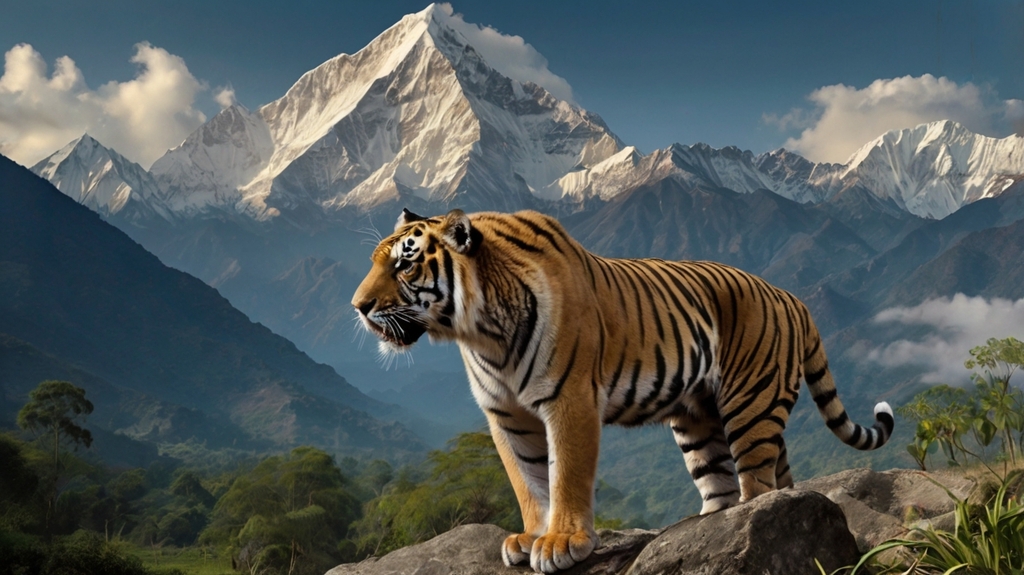
The Bengal tiger, an iconic species, is endangered in Nepal, where it can be found in Chitwan and Bardia National Parks. Major threats include poaching and habitat destruction from logging and human encroachment. Despite progress in conservation, fewer than 250 individuals remain in the country, making it crucial to enhance conservation efforts for their survival.
- One-Horned Rhinoceros (Rhinoceros unicornis)
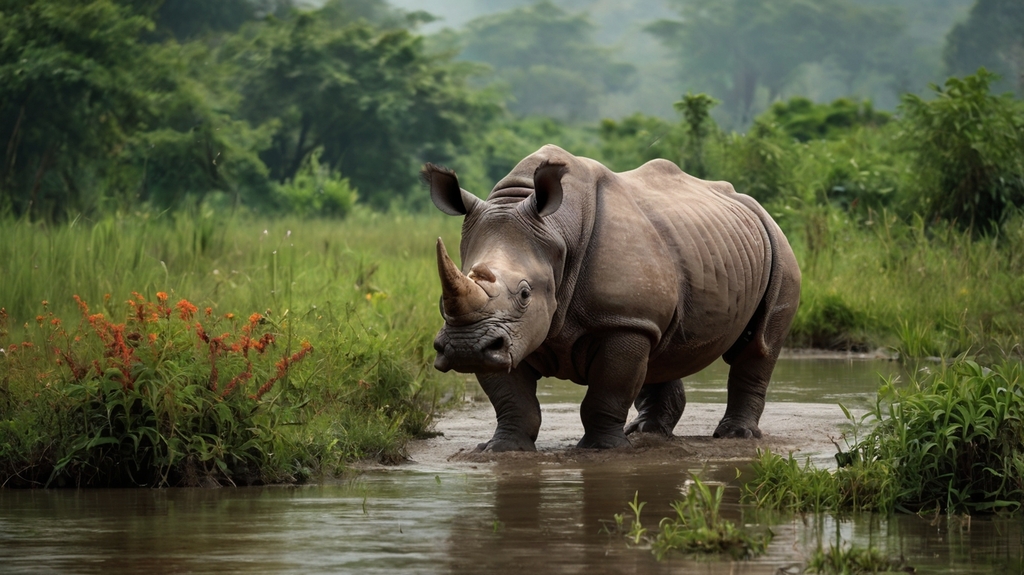
The one-horned rhinoceros, known as “gaida” in Nepali, is a species that inhabits the lowland jungles of Nepal. These large, herbivorous mammals were previously on the verge of extinction due to poaching driven by the high demand for their horns in illegal wildlife markets. However, the implementation of stringent anti-poaching legislation and the establishment of protected areas, such as Chitwan National Park, have contributed to a gradual increase in the rhinoceros population. Despite these conservation efforts, the species remains endangered species of Nepal, facing ongoing threats from habitat loss and sporadic poaching activities that continue to suppress their numbers.
Read also : Nature’s Best-Kept Secrets: The Hidden Gems of Wildlife That Will Enchant You – Post of Day
- Red Panda (Ailurus fulgens)

The Red Panda (Ailurus fulgens) is an endangered species of Nepal which is small, endearing mammal indigenous to the mountainous forests of eastern Nepal. Characterized by its reddish-brown fur and bushy tail, the red panda is colloquially known as the “Firefox“. Despite its appealing appearance, this species is currently confronted with significant threats. Deforestation and habitat degradation have drastically diminished its population, with fewer than 10,000 individuals remaining in the wild worldwide, a small fraction of which inhabit Nepal. Conservation initiatives, including the establishment of protected areas and public awareness campaigns, are crucial for the preservation of this distinctive species.
- Snow Leopard (Panthera uncia)
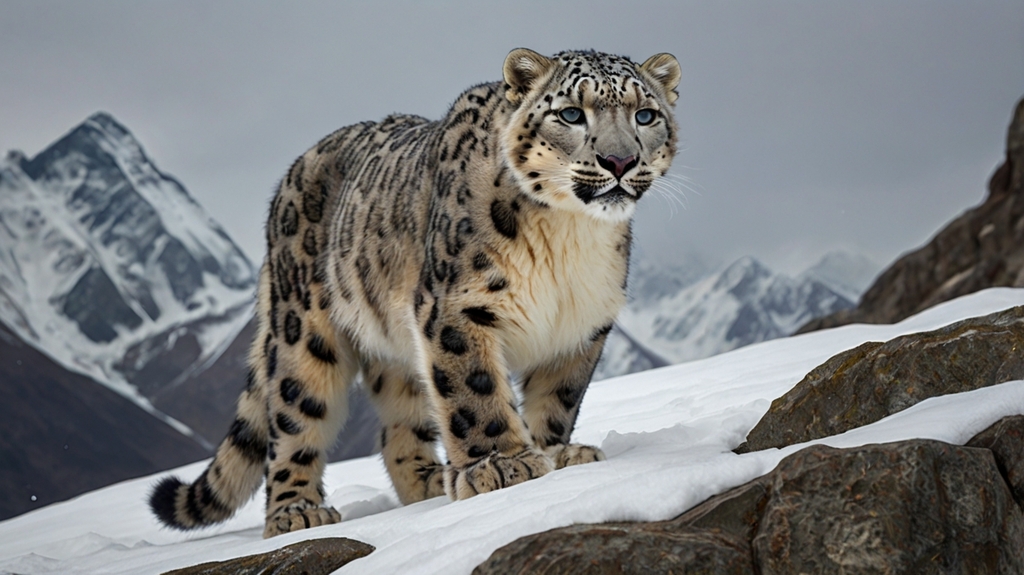
The snow leopard, often referred to as the “ghost of the mountains,” is a reclusive predator inhabiting the high-altitude regions of Nepal which is endangered species. These remarkable animals are exceptionally adapted to the severe conditions of the Himalayas; however, they confront various threats, including poaching and habitat loss. Additionally, climate change poses significant challenges, as the melting glaciers and shifting weather patterns diminish the availability of prey and suitable habitats. Despite the concerted efforts of conservation organizations to safeguard the snow leopard, the species remains endangered species of Nepal, with an estimated population of only a few thousand individuals remaining in the wild globally.
Watch more about Snow Leopard here
- Gharial (Gavialis gangeticus)

The gharial (Gavialis gangeticus) is a critically endangered species of Nepal’s crocodile that inhabits the rivers of Nepal. Characterized by its elongated, slender snout and sharp dentition, the gharial is highly adapted for piscivory, which constitutes its primary diet. Nevertheless, this distinctive reptile confronts considerable threats stemming from environmental pollution, the construction of dams, and incidental capture in fishing nets. In response to these challenges, various conservation initiatives have been implemented to breed gharials in captivity and subsequently reintroduce them into their natural habitats; however, their population continues to be alarmingly low.
- Asiatic Elephant (Elephas maximus)
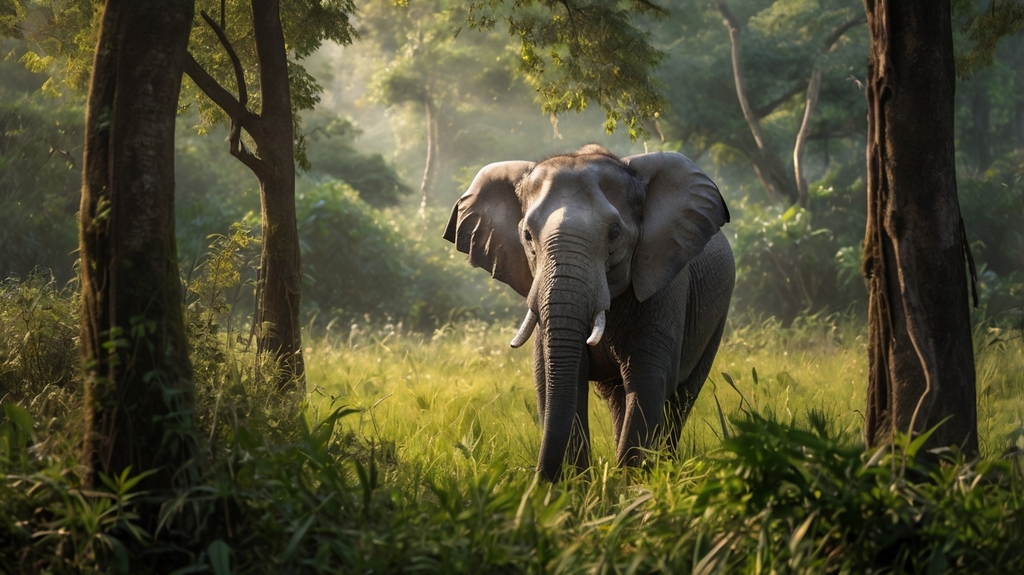
The Asiatic elephant (Elephas maximus) is classified as an endangered species of Nepal and inhabits a range of ecosystems throughout Asia, including the verdant forests and grasslands of Nepal. These magnificent animals are integral to their ecosystems, as they contribute to the maintenance of vegetation balance and facilitate seed dispersal. However, they are confronted with several significant threats, such as habitat destruction resulting from deforestation, conflicts with human populations, and poaching for ivory. Therefore, conservation initiatives are imperative to safeguard these emblematic species and secure their continued existence for future generations.
- Blackbuck (Antilope cervicapra)
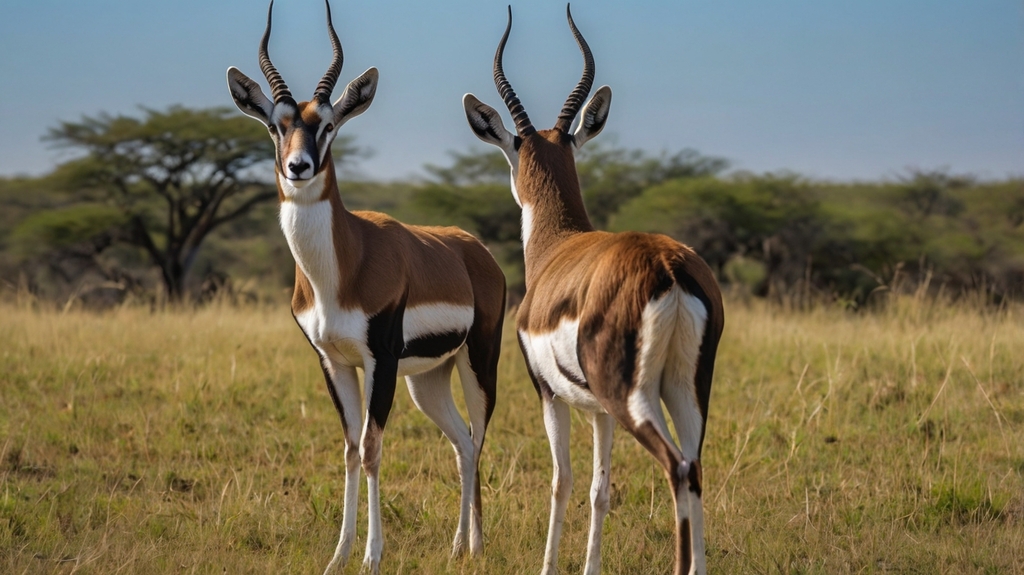
The blackbuck, which was once prevalent in the grasslands of Nepal, now exists in only a limited number of protected regions as endangered species of Nepal, such as Shuklaphanta National Park. The population of this species has been significantly diminished due to hunting and habitat destruction. Conservation initiatives aimed at habitat restoration and breeding have contributed to the stabilization of their numbers; however, continued protective measures remain crucial for their survival.
- Himalayan Wolf (Canis lupus chanco)
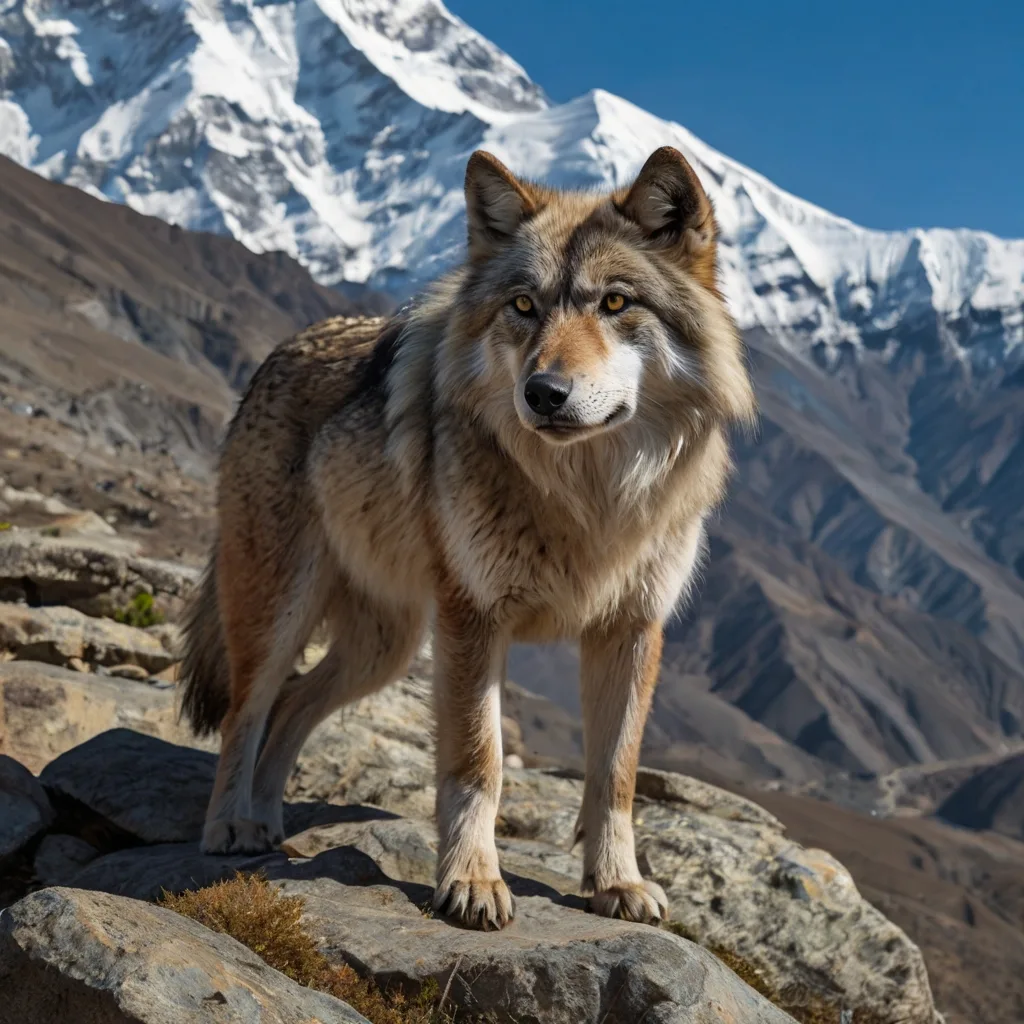
The Himalayan wolf (Canis lupus chanco) is also an endangered species of Nepal subspecies of the gray wolf that inhabits the high-altitude regions of the Himalayas. This subspecies has adapted to thrive in harsh environmental conditions, characterized by a thick fur coat, elongated limbs, and a slender physique. The Himalayan wolf predominantly preys on herbivorous animals, including sheep and goats, and typically engages in pack hunting behavior. However, this subspecies is currently threatened by habitat loss, poaching, and conflicts with livestock farmers. Therefore, conservation initiatives are crucial to ensure its continued survival in the wild.
- Himalayan Tahr (Hemitragus jemlahicus)
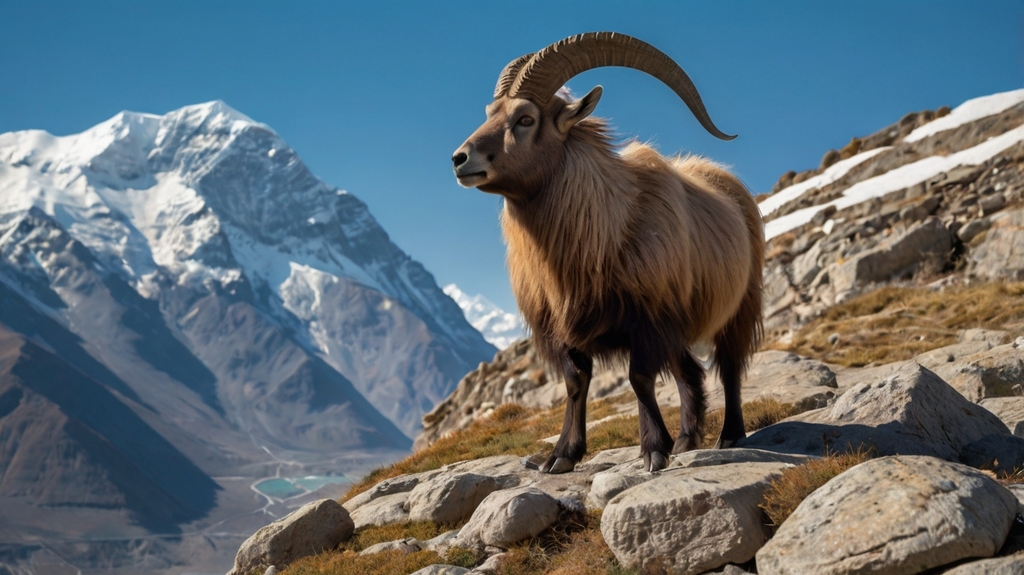
The Himalayan Tahr (Hemitragus jemlahicus) is an endangered species of Nepal’s mountain goat indigenous to the Himalayas, with individuals reaching a height of up to 80 cm (31 inches). This herbivorous animal typically forms herds consisting of up to twenty members and is adapted to thrive at elevations ranging from 2,400 to 4,000 meters (7,874 to 13,123 feet). Its diet primarily consists of grasses, shrubs, and lichens. However, the species faces significant threats to its survival due to habitat loss resulting from mining and illegal logging activities, as well as poaching for its horns and pelt. Therefore, immediate conservation measures and heightened public awareness are essential for the preservation of this distinctive species and its natural habitat.
- Himalayan Brown Bear
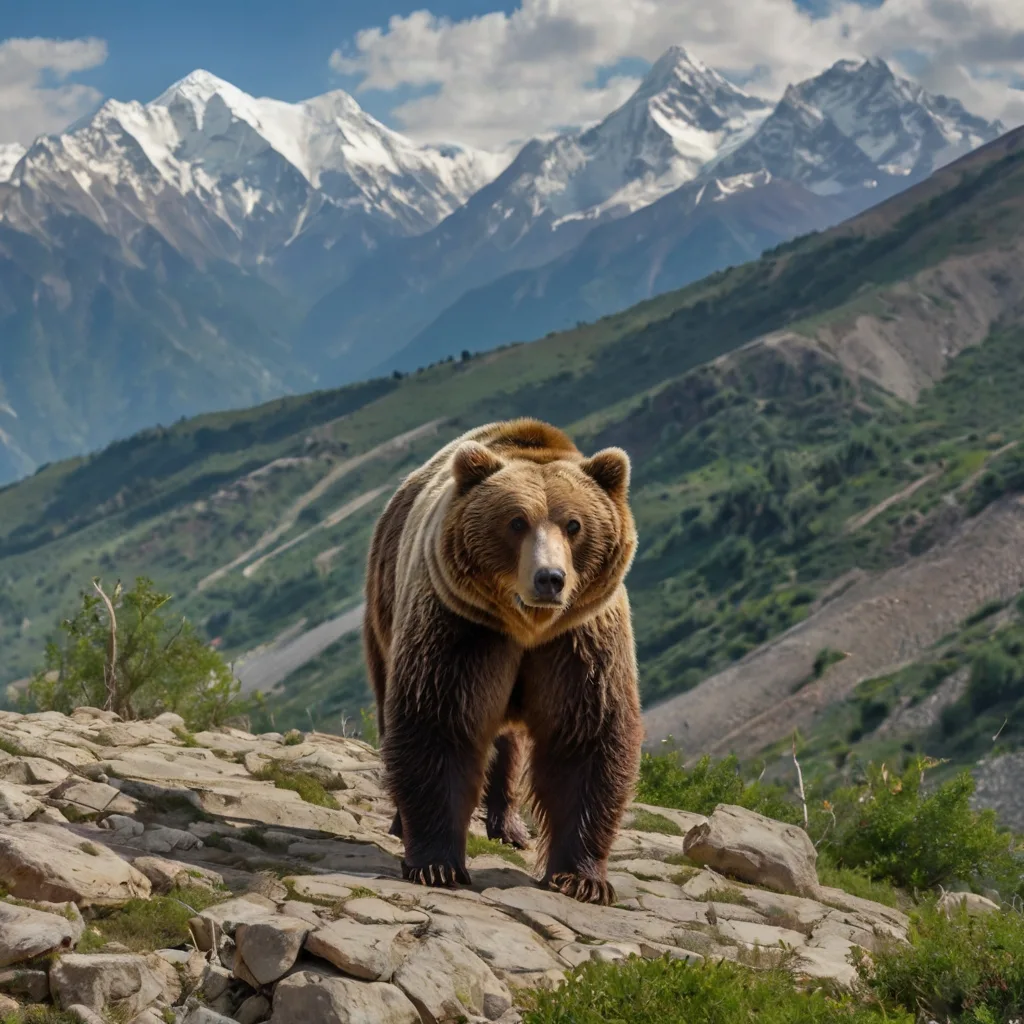
The Himalayan brown bear (Ursus arctos isabellinus) represents a subspecies of the brown bear, indigenous to the elevated terrains of the Himalayas. Characterized by its dense, shaggy brown fur and robust physique, this bear is adeptly adapted to the severe and frigid conditions of its habitat. Typically, these bears inhabit forested valleys and mountainous slopes. Regrettably, they face endangerment due to habitat degradation, climate change, and poaching for their body parts, which are utilized in traditional medicine. Therefore, conservation initiatives are essential to safeguard these magnificent creatures from the threat of extinction and should be protected for as an endangered species of Nepal.
Why These Species Are Endangered
The primary factors contributing to the endangerment of these species are associated with human activities. The following outlines the most significant threats they encounter:
- Poaching: Illegal hunting for animal parts, such as tiger skin, rhino horns, and leopard fur, represents a significant threat to endangered species in Nepal. Despite the existence of stringent legal frameworks, poachers persist in targeting these animals due to the substantial demand in international markets.
- Habitat Loss: As agricultural development, urban settlements, and infrastructure expansion continue to encroach upon natural landscapes, wildlife is increasingly deprived of essential habitats necessary for their survival and hunting activities. The processes of deforestation and human encroachment have significantly diminished the living spaces available to various species, including the red panda and the snow leopard.
- Climate Change: Rising temperatures and altered weather patterns have significant impacts on the fragile ecosystems upon which numerous species depend. For instance, snow leopards are experiencing a decline in their prey populations as a result of habitat shifts, while the desiccation of rivers is adversely affecting the habitat of the gharial.
- Human-Wildlife Conflict: As human settlements expand, there is an increasing proximity between humans and wildlife. This heightened interaction frequently results in conflict, as wildlife may pose threats to livestock or cause damage to agricultural crops. In response, humans may retaliate by inflicting harm on these animals.
Conservation Efforts in Nepal
Nepal has achieved considerable advancements in wildlife conservation, with approximately 25% of the nation’s territory designated as protected areas, which encompass national parks and wildlife reserves. Notable initiatives include:

- Anti-Poaching Measures: Nepal has established robust legislation and patrols to address the issue of poaching. Organizations such as the World Wildlife Fund (WWF) and the National Trust for Nature Conservation (NTNC) collaborate with local governments to oversee protected areas and deter illegal activities.
- Habitat Protection: By establishing and expanding national parks, Nepal creates secure habitats for endangered species to thrive and reproduce. Notable areas such as Chitwan National Park and Bardia National Park play a crucial role in the conservation of species such as the Bengal tiger and the one-horned rhinoceros.
- Breeding Programs: Captive breeding programs have been implemented for species such as the gharial in order to enhance population numbers. Upon reaching maturity, gharials are subsequently released into their natural habitats to contribute to the augmentation of their populations.
- Involving Local Communities: One of the most effective strategies for conservation has been the engagement of local communities in conservation initiatives. Community-based conservation programs enable local populations to participate in wildlife protection, frequently offering them economic advantages through ecotourism. This methodology contributes to the mitigation of conflicts between humans and wildlife.
- Education and Awareness: Raising awareness among local communities, tourists, and the general public is of paramount importance. Educational campaigns facilitate the dissemination of knowledge regarding the significance of protecting endangered species and outline the ways in which individuals can contribute to conservation efforts.
How You Can Help
There are many ways you can make a difference in protecting Nepal’s endangered wildlife:
- Raise Awareness: It is essential to disseminate information regarding endangered species and conservation initiatives to your friends, family, and online followers. Increased awareness among individuals can significantly enhance collective efforts toward conservation.
- Support Conservation Programs: It is advisable to consider making donations to conservation organizations dedicated to the protection of wildlife in Nepal. Each contribution, regardless of its size, can significantly support initiatives such as anti-poaching patrols, research endeavors, and community development projects.
- Practice Responsible Tourism: When visiting the national parks of Nepal, it is essential to adhere to established guidelines in order to reduce your environmental impact. Additionally, it is advisable to support eco-friendly tour operators that emphasize animal welfare and sustainable practices.
- Volunteer for Conservation Efforts:Engaging in volunteer work for wildlife conservation initiatives in Nepal presents a valuable opportunity to effect meaningful change.
Conclusion
Nepal’s wildlife represents an invaluable natural heritage; however, numerous species are currently facing the threat of extinction. Among the endangered animals struggling for survival are the Bengal tiger, the one-horned rhinoceros, the red panda, the snow leopard, and the gharial. Although Nepal has achieved notable progress in conservation efforts, there remains a pressing need for further action to secure the future of these species. By enhancing public awareness, supporting conservation initiatives, and actively engaging in protective measures, we can contribute to the preservation of Nepal’s remarkable biodiversity for future generations.